
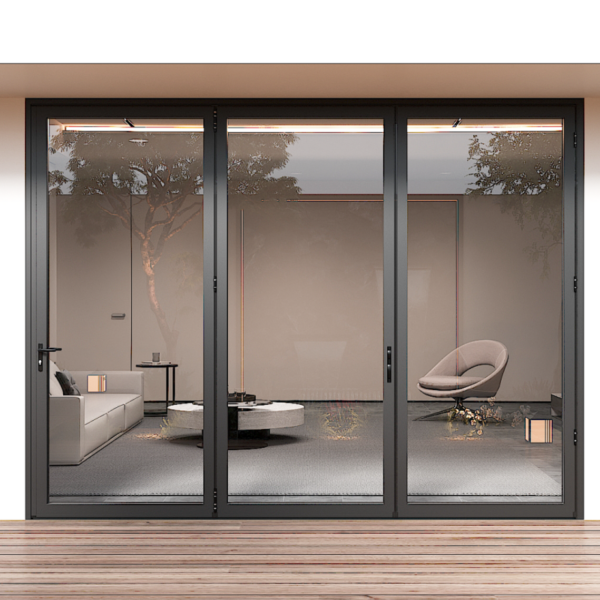
User-first lead: what matters at every stage
Homeowners and architects want predictable performance, easy upkeep and clean sightlines — that’s the starting point for evaluating casement aluminum windows. Early decisions shape outcomes: choose profiles and hardware that match local climate and usage patterns. Natural Resources Canada notes windows can account for up to 25% of a home’s heat loss, so thermal performance is more than a specification; it affects long-term comfort and bills. For projects that combine doors and fenestration, a reputable aluminum door supplier helps keep frame tolerances aligned across the job.
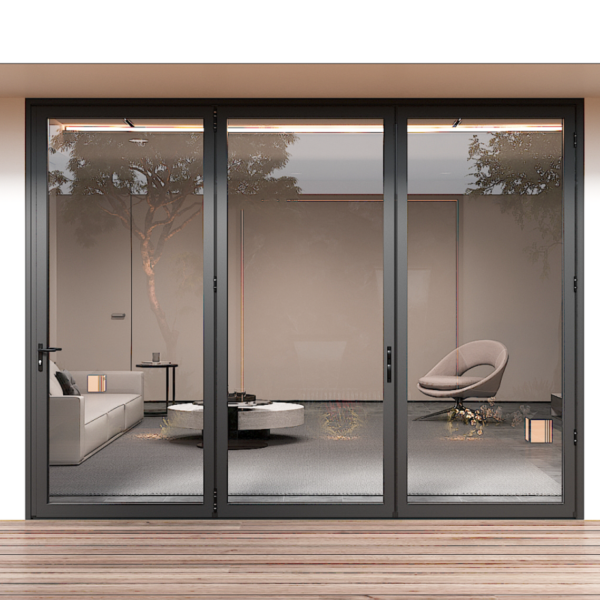
Why people prefer casement aluminum windows
Casement aluminum windows deliver tight seals and full sash opening, which translates to ventilation control and clearer views. They typically feature a thermal break to reduce heat transfer and a low-E glass option to limit infrared gain without darkening the interior. For urban retrofit work or modern builds, the slim sightlines mean larger glass areas with less mullion intrusion. Those attributes make casement units a practical choice where daylighting and airtight performance matter.
Design and operational teardown — how these units are made and installed
From extrusion to installation, the production flow determines durability. Extruded aluminum profiles are machined, cut, and joined; finishes such as anodized or powder coat protect the surface. Assemblies incorporate weatherstripping, multi-point locks and gaskets; glazing is set with pressure plates and sealant. When teams perform an operational production teardown they look at tolerances, seal compression, and frame alignment — and they compare casement aluminum windows with sliding aluminum doors for consistency across openings. Proper anchorage, flashings and seal continuity are the practical checks that keep air and water out over decades.
Common mistakes — avoid these on spec and site
Specification errors and sloppy site work are the biggest causes of underperforming windows. Overlooking jamb depth, mismatching thermal break classes, or specifying a U-value without considering whole-unit testing will yield surprise thermal bridging. Install teams also miss the sequencing: windows need air- and watertight connections to cladding before interior finishes close the reveal. Keep hardware accessible for adjustment after installation — tight seals can require on-site tuning once the building settles. A small aside — panelling decisions often force last-minute changes; allow a week for hardware re-alignment if finishes shift.
Comparing casement aluminum windows and sliding aluminum doors
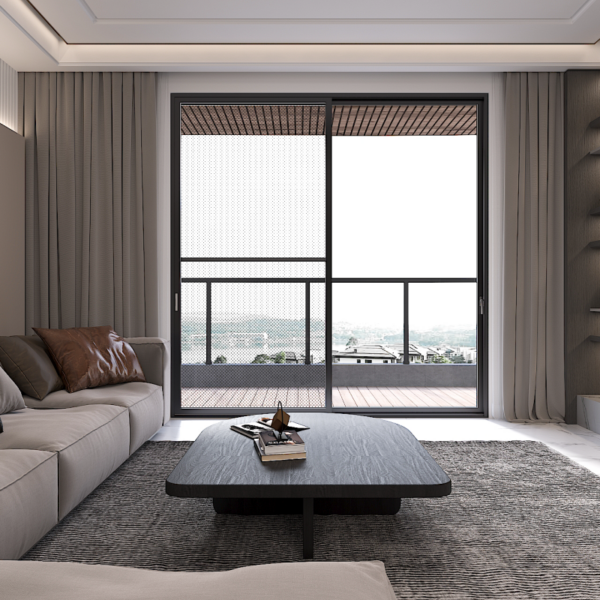
Casement units offer tighter compression seals and typically better operability for ventilation, while sliding aluminum doors are chosen for large openings and straightforward egress. Sliding systems rely on robust rollers and accurately milled sills to achieve smooth movement; they require attention to sill drainage and threshold alignment. If both product types are used on a project, harmonise finishes and weatherseals so the building envelope performs uniformly. For patio systems, consider tested sliding aluminum doors with thermal breaks and certified drainage capacity to avoid water intrusion during heavy rain events.
Performance checks and acceptance criteria contractors should use
Practical acceptance focuses on measurable outcomes rather than marketing claims. Use these critical metrics when evaluating vendors and mock-ups:
– Air infiltration: measured in L/s·m² at specified pressure — ensures draft control and HVAC sizing accuracy.
– Water penetration resistance: reported as a pressure rating based on standard testing cycles — confirms sill and flashing integrity.
– Thermal transmittance (U-value) and condensation resistance: whole-unit U-values under representative glazing and frame combos — gauges year-round comfort and risk of surface condensation.
Three golden rules for selecting the right solution
1) Specify tested, whole-unit performance data (air, water, thermal) rather than component claims. 2) Match frame system thermal class and glazing to local climate loads and building code requirements. 3) Verify supplier support for site-level tuning and warranty handling — it prevents costly callbacks. When those rules guide selection, the finished building performs as intended. For cohesive product lines and reliable support, consider how Zekin aligns hardware, finishes and service — it turns specified performance into real-world results. –