
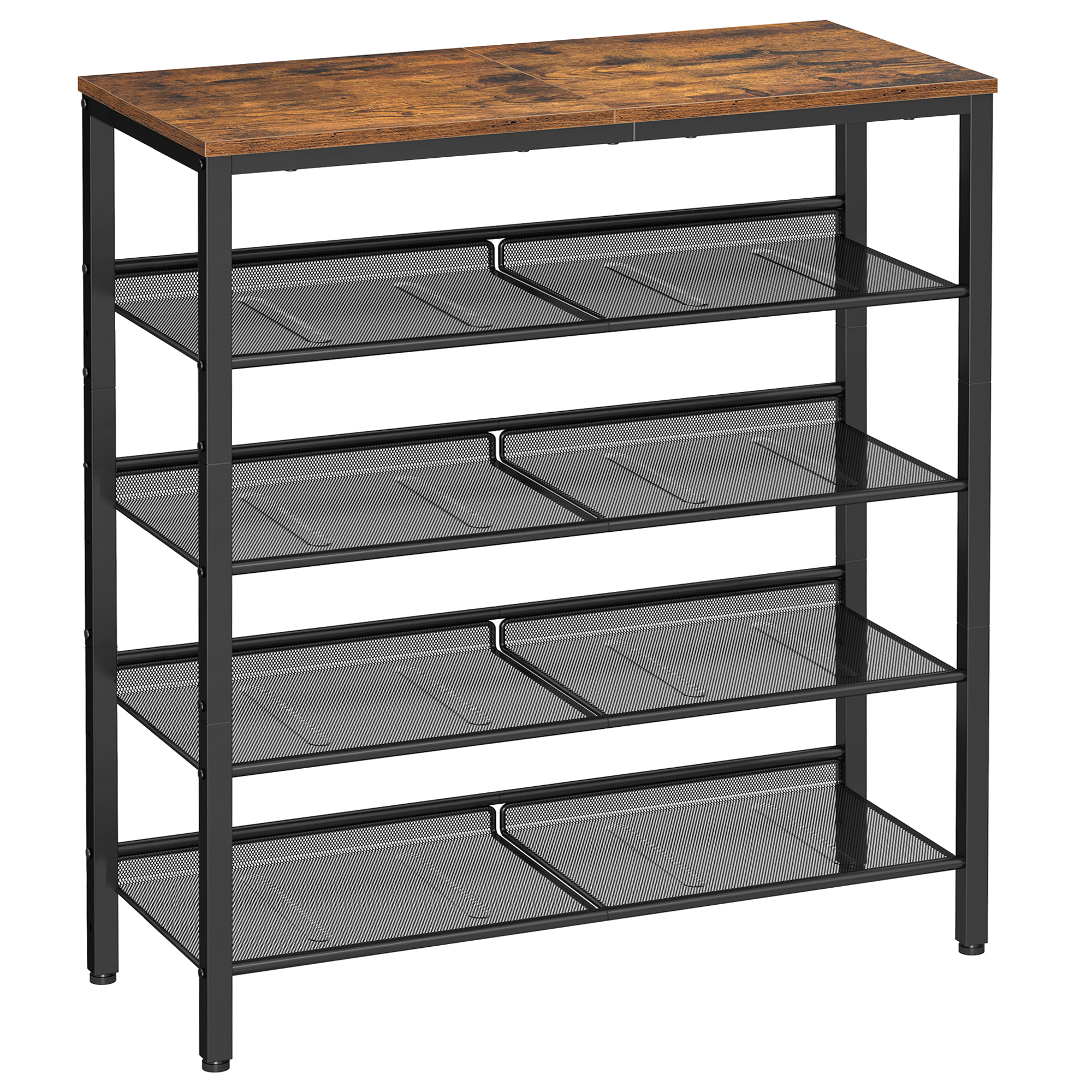
Introduction: Define the Baseline Before You Buy
In sourcing, a clean comparison starts with a shared baseline. A shoe rack manufacturer must meet form, function, and cost—at the same time. When you evaluate any shoe rack supplier, you also weigh load rating, finish durability, and repeatable quality. Picture a buyer facing a seasonal spike, with 12 weeks to land 15,000 units across five SKUs (tight, but doable). Last year, defect rates sat at 2.7% and lead time averaged 42 days; freight variance added 8%. Are those numbers good enough—or are they hiding slow rework and silent returns? Technical clarity helps: define the test method, the pass/fail line, and the packaging spec first. Then decide if the process can hold under pressure—daily.

Here is the question: which factory can guarantee stable powder coating while keeping carton drop tests in range, and still ship on time? And how do you verify that claim without bloated audits or guesswork (nobody wants that)? We will line up the core factors and compare them by signal strength, not by promises. Let’s move to the pain points and why they often stay hidden.
Part 2: The Hidden Gaps Buyers Miss
What slips through the cracks?
Direct truth first. Most problems are not in the frame. They sit in the process between welding and pack-out. Traditional checks look at final units, not the upstream drift. That hides small weld variance, poor jig calibration, and thin topcoat. Over time, these creep into claims. Look, it’s simpler than you think: track torque test results per batch, not per day; align carton burst strength with actual gross weight; tie fastener spec to the frame’s torsional rigidity. Many buyers still rely on a once-a-quarter audit. That misses mid-run shifts in humidity that wreck powder adhesion—funny how that works, right?
Hidden pain points keep stacking. Mixed SKU runs can collapse takt time. Misread pick lists cause wrong shelf panels. A weak QC protocol flags issues at the end, when fixes cost triple. You can avoid this with a short list: live first-article reports, in-line jig checks, and real-time rework logs. Add two tools: salt-spray testing for hardware and a clear load rating method on a simple jig. Tight, repeatable, and easy to read. It feels basic, but it stops 80% of downstream noise. And it keeps your returns low without “hero” overtime.
Part 3: Forward-Looking Choices and Real-World Impact
What’s Next
Now compare the old way with factories that run new technology principles. Some deploy edge computing nodes on the powder coating line to track cure temperature by rack position. Others tie barcode work orders to station-level cycle time, so deviations show within minutes, not weeks. A capable china shoes rack manufacturer may also use digital twins of jigs to predict drift before it hits the frame. Simple sensors, modest power converters, and a stable MES can do a lot. Result: steadier gloss levels, fewer rattles, and cartons that survive a true 10-drop test. The difference is visible in the returns chart—and in customer reviews.
Real-world impact shows up fast. One buyer moved to batch-level SPC on weld bead height and saw rework drop by 38% in two months. Another split runs by humidity band—output rose 9% with no extra labor. These are not moonshots. They are small controls that hold when the season peaks. Compared to the legacy approach, you get shorter ramp times, clearer pass/fail gates, and cleaner inbound QA. The earlier sections showed where issues hide; this view shows how smart lines surface them—then stop them.
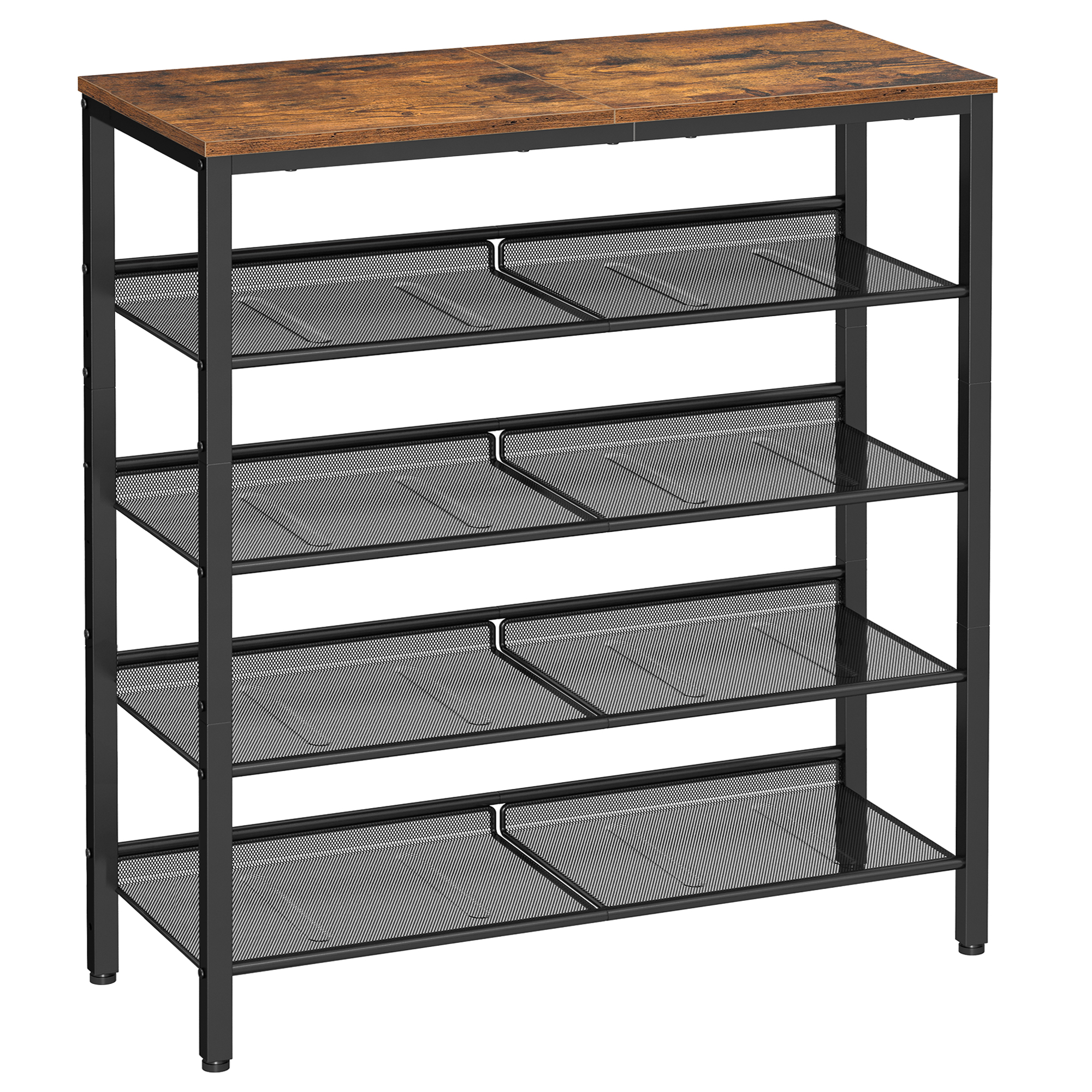
Advisory close: use three metrics when you choose a partner. First, process capability proof (Cp/Cpk or equivalent) on key steps like coating and drilling. Second, traceable batch records tied to first-article and drop tests. Third, lead-time stability under load, measured by variance, not averages. Keep it practical, keep it visible—and keep it honest. For deeper sourcing knowledge, visit SONGMICS HOME B2B.