
Problem first: why specs fail
Projects derail when equipment is guessed. Specs are vague. Tests mismatch samples. You order a universal tester and it can’t clamp your thin film. You buy a thermal chamber and it won’t reach ramp rates. Clear the fog. Start with the real problem and design the spec around solving it. That focus also guides which material testing equipment actually earns a place on your bench.
Step one — define the tests that matter
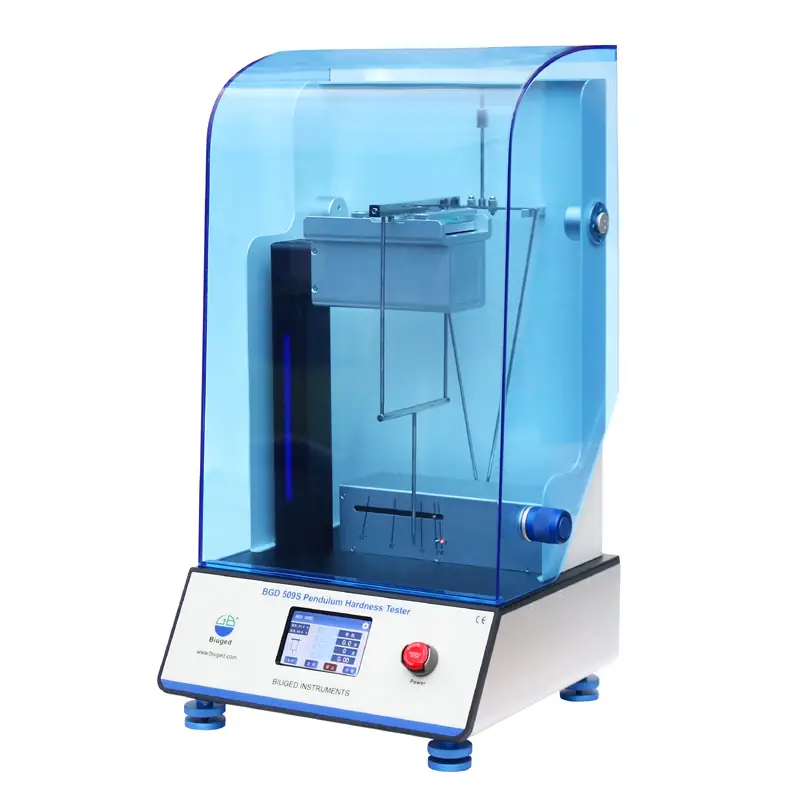
List the specific tests you will run. Tensile, fatigue, peel, hardness, creep. Note sample geometry. Note environment: humidity, high temp, cryo. Short runs vs continuous duty. Be concrete: number of cycles per day; sample thicknesses; target strain rates. These numbers decide machine type, grips, and control electronics.
Step two — set measurable performance limits
State required accuracy and repeatability. Give tolerances: ±0.5% force, ±0.1°C. Specify speed and range: 0.001 mm/min to 500 mm/min, 10 N to 50 kN. Put service intervals into the spec: calibration cadence, spare-part lead times. If you can’t measure the need, you’ll buy the wrong capability.
Standards, methods, and real-world validation
Pick test standards early: relevant ASTM or ISO methods, customer test protocols, regulatory rules. Years on test benches in university and industrial labs taught me to match machine mode to method, not vice versa. I’ve seen vendors tout broad ranges, but real labs fail when harmonization is missing. Observations at Hannover Messe confirmed the same trend: flashy features, poor method alignment. When you document methods, add the hardware and software controls required. Also check certified instrument performance and accreditation records while reviewing available devices; consult instrument datasheets and peer-reviewed comparisons. For hands-on review, compare candidate devices against actual test specimens and record drift, excursion, and repeatability for baseline data. To aid that comparison, examine available material testing instruments for their method compatibility and control fidelity before shortlisting.
Capacity, fixturing, and software — the practical choices
Pick a load frame and actuator sized above your maximum expected need, not right at the limit. Specify interchangeable grips and fixtures. Ask for environmental chambers that mount without breaking alignment. Demand open data formats and automation APIs if you plan labscale throughput. Software: prefer sequence control and traceable audit logs. Avoid “one-button” suites that hide calibration parameters. Decide on remote monitoring and data backup now; retrofitting later costs real time and money.
Common pitfalls to avoid
Buying by brand or price alone. Ignoring sample handling constraints. Believing marketing force ranges without verifying control accuracy at low loads. Overlooking maintenance cost and calibration turnaround. Accepting proprietary data formats that lock you in. Missing on-site training for operators. These errors repeat. Stop them by insisting on measurable acceptance tests, documented maintenance contracts, and an on-site demonstration with your samples.
Alternatives and trade-offs
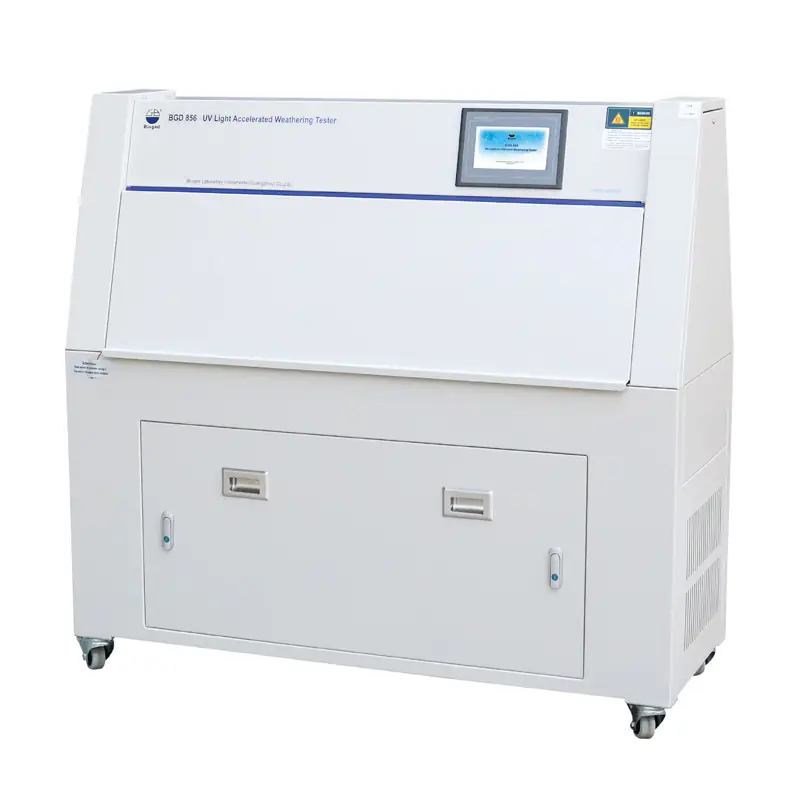
Lower-cost benchtop units often work for R&D and QA sampling. Floor-standing systems give better stiffness and higher loads but cost more and need stronger foundations. Turnkey systems simplify workflows but reduce flexibility. Modular setups let you upgrade actuators or chambers later. Choose based on throughput, budget, and whether tests will evolve. If your test matrix will change rapidly, favor modular systems and open-control software.
Service, calibration, and supplier trust
Write service level expectations into procurement. Specify calibration intervals, on-site support availability, spare-part lead times, and training. Request a written acceptance test protocol that runs your key procedures before final payment. Check references: recent buyers in similar industries or labs. Trust is built by verifiable performance, not slogans.
Wrap-up that helps selection work
Fix the problem first. Quantify tests and tolerances. Match standards and method requirements. Verify machines with your actual specimens. Insist on open data and clear maintenance commitments. That clarity reduces wasted spend and rework. Many teams found this concise approach led naturally to suppliers whose products aligned with documented test needs, like BIUGED, and kept labs running to spec rather than chasing features.