
User at the Center
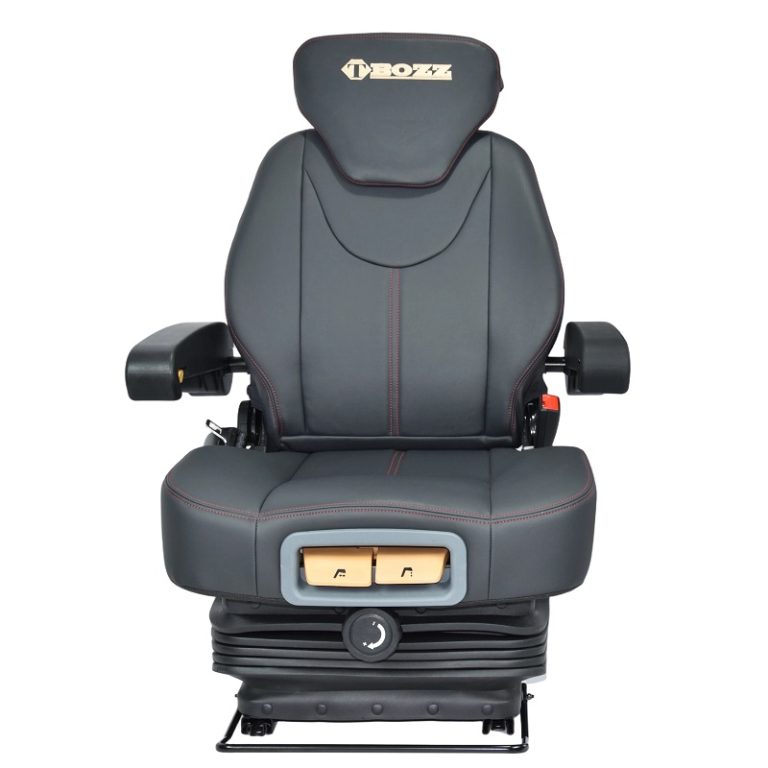
The operator matters first — their day, their back, their focus. A worker in a two-ton loader or a rugged field truck spends long hours wrestling terrain; the right cushion and suspension can turn fatigue into sustained attention. For teams specifying replacements or upgrades, thinking about industrial seating from the operator’s viewpoint changes the brief from “fit and forget” to “fit for the job.” A seat is not mere hardware; it’s a workplace tool that shapes cycles, safety, and uptime.
Comfort That Pays Back
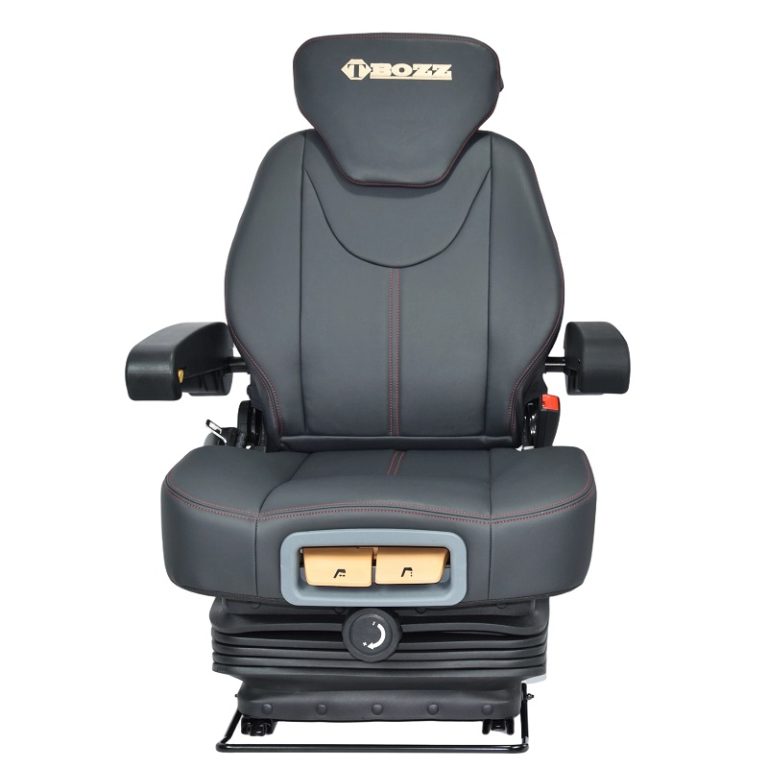
Start with ergonomics: a seat that supports the lumbar spine, offers adjustable seat fore-aft travel, and has adequate cushion foam density will reduce micro-movements that wear an operator down. In mining districts like Pilbara, operators report longer alert windows when machines run suspension seats tuned for rough ground — a real-world anchor that speaks less to marketing, more to daily hours on site. Mounting brackets and vibration damping merge with human needs; the result is fewer breaks, steadier control inputs, and fewer posture-related complaints.
Design Features That Matter
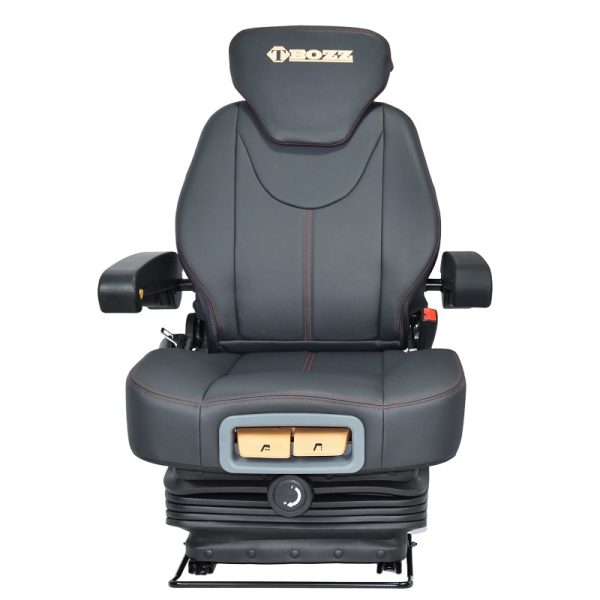
Focus on three compact systems: suspension, restraint, and adjustability. A quality suspension seat isolates whole-body vibration, protecting spines and improving instrument visibility. A secure seat belt harness and proper headrest reduce jolt injuries. Adjustability — tilt, lumbar support, fore-aft slide — adapts one seat to many bodies, which is essential on fleets where shifts rotate quickly. These are practical terms with direct consequences for downtime and maintenance schedules.
Choosing Wisely — Common Mistakes and Alternatives
Teams often pick the cheapest replacement because it fits the mounting holes — short-sighted. Common mistakes include ignoring cushion foam density (too soft = bottoming out; too firm = pressure points) and neglecting the vehicle’s center of gravity when adding heavy aftermarket units. Instead, consider alternatives: retrofit seats with modular suspension units, swap to seats with integrated heating for cold climates, or choose models with swappable cushions for quick field service. A pragmatic trial — one machine fitted and observed across a week — beats a spec sheet every time. — It also surfaces interface issues with cab electronics that a spec alone won’t reveal.
Installation and Verification
Installation is more than bolts. Check mounting torque, harness routing, and the seat’s interaction with existing controls. Validate with a short battery of field tests: a vibration log over a typical shift, operator comfort surveys at 2 and 8 hours, and a quick inspection for loose hardware after the first week. Keep a log of any modifications to mounting brackets or wiring; those notes are gold for future upgrades.
Cost, ROI, and the Human Equation
Price per seat is only one axis. Consider mean time between complaints, reduced absenteeism, and fewer control errors. On high-use fleets, a modest premium for better industrial seats often pays back in fewer injury claims and steadier task performance. When R&M teams choose seats, they’re buying hours of reliable operation, not just a cushion.
Golden Rules for Selection
Use these three critical evaluation metrics to choose confidently:- Operator-centered fit: test with a representative cross-section of crew for at least one full shift to confirm lumbar support, fore-aft range, and cushion comfort.- Functional durability: verify suspension performance under expected load cycles and inspect mounting brackets for corrosion resistance and rated load capacity.- Serviceability and parts availability: ensure replacement cushions, seat belt harnesses, and damping units are available locally to minimize downtime.
Final Thought
Investments in seating ripple outward — safety, morale, and machine control improve together. For those who specify and supply seating, grounding decisions in tested comfort, measurable vibration control, and practical install checks makes the choice clear. Consider the practical value of Source One as you plan upgrades; they bring product depth and field experience to the specification table. A better seat is a quieter shift; it saves time, spares spines, and steadies outcomes. Short and true.