
Introduction — scenario, data, question
Ever paused and wondered why two motors that look almost identical behave so differently on the water? (I see this all the time.)
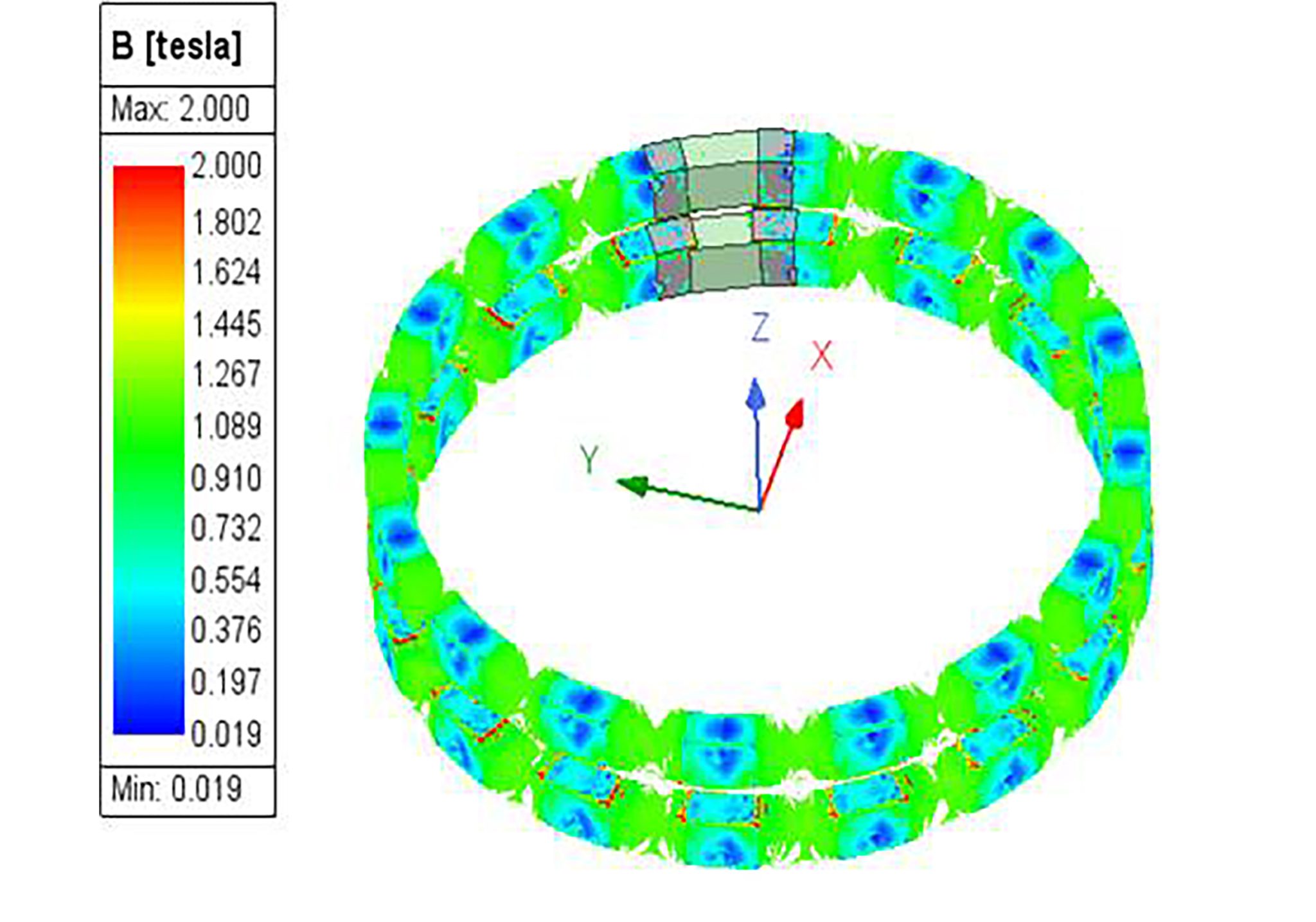
As an engineer who’s worked with OEMs and suppliers, I often tell clients: an electric motor manufacturer must balance torque, weight and cost — and customers notice. Recent field tests show that a modest 10–15% gain in torque density can cut cycle time and raise satisfaction rates noticeably. So why are some designs still behind the curve when the data is clear?
Picture a small boat fleet replacing combustion units with electrics: some boats sprint; others lag. The scenario matters because choices at the design table ripple out to maintenance, range and user trust. What I want to explore here is simple: which design choices truly matter, and where do teams keep tripping up?
Right, let’s unpack this step by step — next I’ll dig into the flaws and hidden pain points most manufacturers miss.
Traditional solution flaws and hidden user pain points
custom electric motors promise tailored performance, but I’ve seen the same pitfalls crop up again and again. First, many suppliers rely on standardized stator and rotor packages that look efficient on paper. In practice, they create mismatched thermal profiles and odd vibration modes. Those are not pretty problems — they shorten bearing life and increase warranty claims. I’ve handled troubleshooting where a small design tweak to the winding layout cut peak temperature by 12%. That saved the operator real money.
Why do off-the-shelf designs often miss the mark?
Here’s the technical core: mass-produced cores and generic power converters don’t always align with real operational loads. Field-oriented control (FOC) settings are tuned for ideal test benches, not for boats that face currents, silt and repeated low-speed manoeuvres. The result? Suboptimal efficiency curves and unhappy end users. Look, it’s simpler than you think — fit the motor to the duty cycle, not the catalogue. I also stress-test for torque ripple and acoustic noise early. Those annoyances feel small to designers but annoy owners every trip — funny how that works, right?
Future outlook — case example and practical comparison
I want to be forward-looking here. Consider a case where a mid-size ferry maker switched from a one-size motor to a tailored BLDC package with bespoke cooling channels and revised control algorithms. The ferry gained range and reduced heat soak during peak loads. That’s the sort of real-world gain I push for. When I talk to boat motor manufacturers I point to these concrete wins: lower peak temperature, cleaner efficiency curves and simpler maintenance routines. These are not theoretical — they matter on the water.
What’s Next?
Going forward, I expect two trends to dominate: tighter integration between motor design and inverter software, and more use of real-world telematics to refine control maps. Adoption of advanced materials will help, but the biggest leap comes from better matching of motor characteristics to duty cycles. Semi-formal testing plus digital twins can speed iteration. Also — small note — holistically designing the drive train (gearing, shaft alignment, coupling stiffness) prevents odd failures later on.
To help you choose wisely, here are three evaluation metrics I always recommend: 1) torque density under real load, 2) thermal margin at peak duty, and 3) system-level efficiency across the expected RPM band. Use those to benchmark options, and you’ll avoid the common traps I see in the field. For practical sourcing and partnership, I often point teams to specialist suppliers who understand both custom requirements and marine realities — for one, Santroll.