
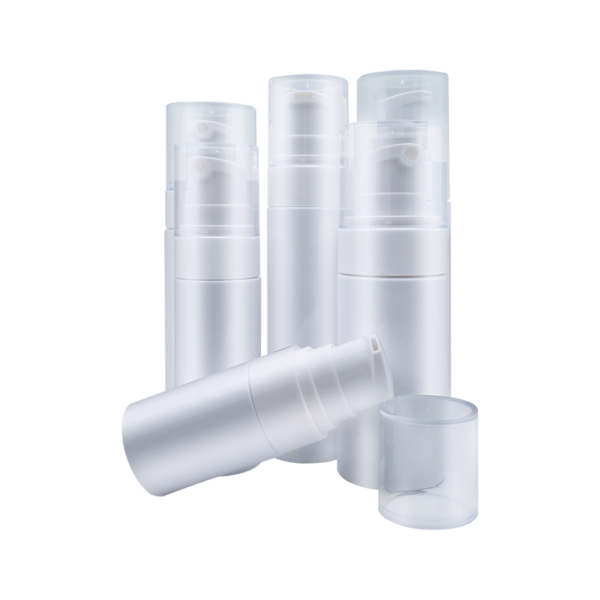
Introduction: A Clearer Yardstick for Everyday Dosing
Consistency beats clever design. A pet pump bottle that feels sturdy yet dribbles on the third press won’t do, not here, not anywhere. Picture a formulator in Leith, testing lotion on a damp morning; the pump gives 0.8 ml, then 1.1 ml, then slips. If you’re weighing a china pet pump bottle against your current stock, you need a fair and tight benchmark (aye, a wee checklist that holds up in the cold light of day). Data says variation above 20% in dose output is what users notice first, long before they see a scuff in the finish. So, what should you measure, and why now?
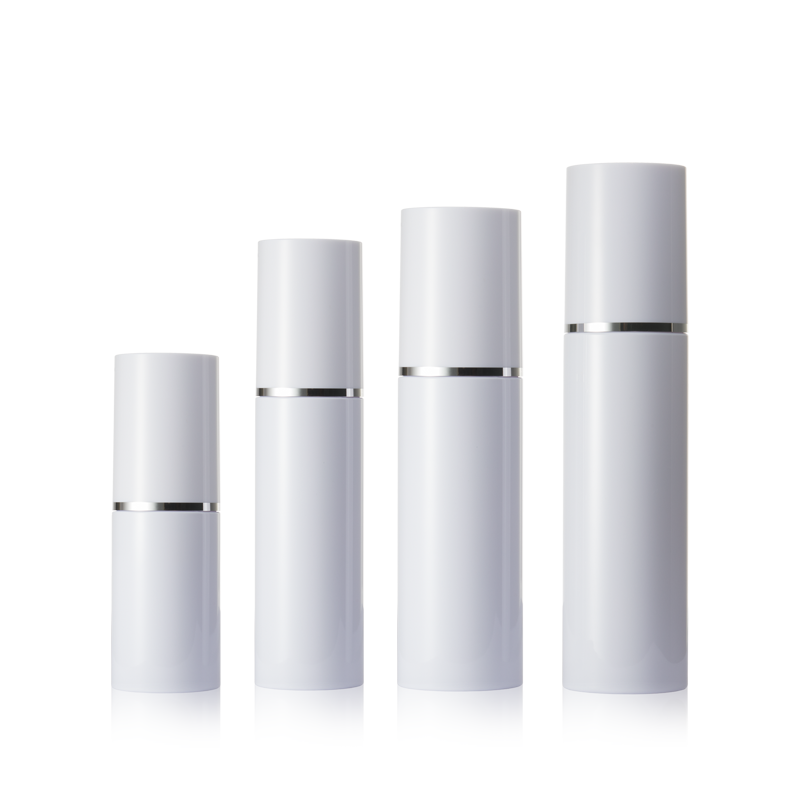
Let’s keep it direct. We’ll compare what matters: dose repeatability, closure torque, actuator feel, leak-down after transport, and how viscosity shifts the whole game. In Part 1 we sketched the lay of the land; now we dig deeper, with clear metrics and—right enough—plain English. The question is simple: can you trust the next press as much as the first? On we go.
The Hidden Pain Points Users Feel First (And Spec Sheets Miss)
Where do the losses start?
Unlike Part 1’s broad sweep, this section goes technical. Hidden pain points often live in places we gloss over: the 28/410 neck finish tolerance, the actuator travel before the valve opens, and the dip tube cut angle. Small? Aye. But a tiny mismatch can throw dose output off by 30% when the cream warms up on the shelf—funny how that works, right? Add a stiff spring rate and the first press feels heavy, the second lighter, which makes users pump twice. That’s waste, and it shows up as returns, not just in lab logs. Look, it’s simpler than you think: if closure torque drifts outside spec after a week, micro-leaks creep in, lowering back pressure and making every press feel soft.
Now the deeper bit. Viscosity index changes with temperature, and that shifts priming time. If the bottle primes slow, users over-press. If it primes fast, they flood the palm. Spec sheets rarely say how the valve behaves after 1,000 cycles or a 40°C/75% RH soak. You need two controls: (1) cycle testing for actuator fatigue, and (2) stability testing across lotions and gels. Note the practical terms your line understands: torque spec at application, dose output consistency at 0.5 ml ±10%, and seal integrity after a drop test. Compare those against user feedback in the wild. The gap between lab neatness and bathroom chaos? That’s the pain you must design out.
Comparative Insight: New Principles That Tighten the Tolerances
What’s Next
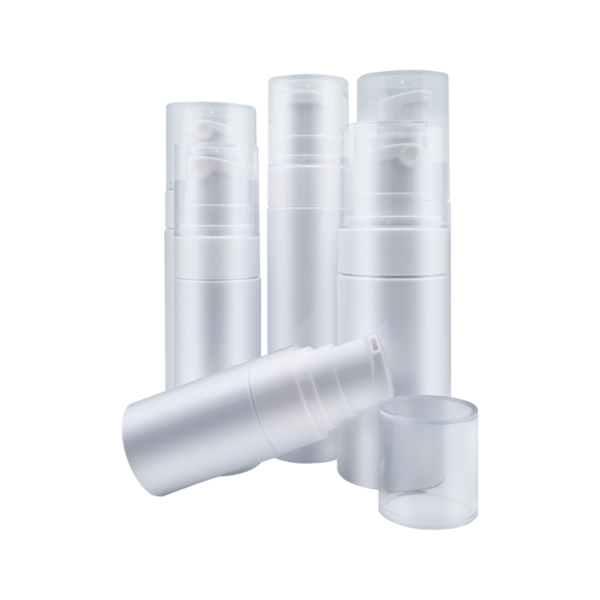
Here’s a forward look with the screws turned tight. The smartest improvements come from three new principles: micro-valve tuning, pressure-balanced chambers, and smarter material pairing. First, micro-valve tuning: small changes to the orifice geometry cut splash and reduce the “first press high, second press low” pattern. Second, a pressure-balanced dose chamber keeps back pressure steady, even after air ingress. Third, pairing a PET body with a low-creep PP closure and an EVA gasket helps the seal hold torque under heat cycles. In trials, these shifts trimmed dose variance by half. When you review options with a pet pump bottle supplier, ask for test curves, not just one data point—we need trends, not guesses.
Let’s compare like-for-like. Old-school pumps rely on higher spring rate to fight leaks, but that makes the actuator harsh. Newer designs use better valve seats and smoother check-ball travel, so you keep the seal without the finger strain. Older caps slip if the thread draft is loose; new tooling holds 28/410 tighter, so torque spec stays in range after transit. The result is simple: fewer re-primes, better feel, and less product lost to the sink. Practical and human. Advisory close, then: choose with three metrics in mind—(1) dose repeatability across 10, 100, and 1,000 cycles at two viscosities; (2) closure torque retention after heat-and-shake transport; (3) leak-down rate measured by weight over 24 hours at 40°C. Hit those, and users stop double-pumping—job done. For more methodical detail, see how teams standardise trials at NAVI Packaging.