
Introduction — the immediate problem
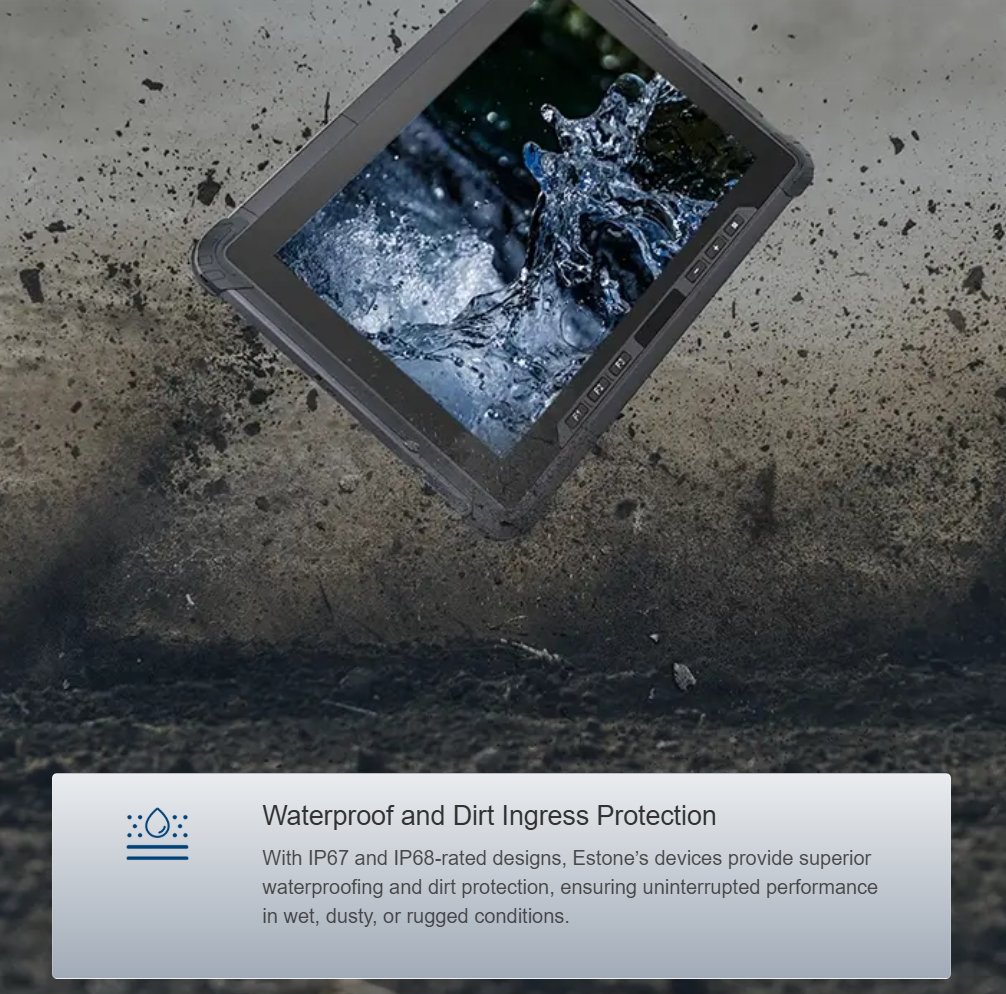
Field teams in maritime yards and offshore sites suffer frequent device downtime from salt spray, thermal cycling, and abrasive UV exposure; this leads to operational delays and repeat visits for repair. Modern solutions centre on durable hardware such as the industrial panel pc, but selecting the right combination of materials and specifications is essential to preventing failures in service. In many North Sea oil platforms, for example, equipment must withstand continuous salt-laden air and strong sunlight, conditions that expose shortcomings in corrosion resistance and ingress protection.
Diagnosing why units fail in the field
Most field failures share common root causes: inappropriate IP rating, insufficient EMC shielding, inadequate thermal management, and surface degradation of enclosures. Corrosion often begins at stress points — seams, screw joints, and uncoated fasteners — and progresses beneath paint. Sunlight-readable displays can amplify problems if the touchscreen and seal are not matched to withstand UV exposure and condensation. Attention to MIL-STD-810 testing and genuine ingress protection classification reduces surprises during deployment.
Why magnesium alloy chassis are a practical solution
Magnesium alloy chassis combine light weight with good corrosion resistance when properly treated. The material offers thermal conductivity that helps dissipate heat from CPUs and power supplies, improving longevity of electronics. When anodised or coated with suitable nanoceramic layers, magnesium resists pitting from salt spray while preserving structural stiffness for drop and vibration conditions. Properly designed chassis also contribute to EMC shielding, reducing interference with wireless modules and sensors — a critical benefit in sensor-dense industrial environments.
Design and installation best practices
To realise the benefits of a magnesium alloy chassis, engineers should adopt pragmatic practices: specify appropriate sealants and gaskets rated for the intended IP class; choose corrosion-resistant fasteners; validate thermal paths from heat-generating components to the chassis; and confirm sunlight-readable display brightness and anti-reflective treatments are factory-matched with the touchscreen. — Small choices at the design stage, such as connector orientation and conformal coating, prevent large maintenance burdens later. Proper mounting and routine inspection schedules further reduce cumulative corrosion risk.
Common mistakes that cause premature replacement
Teams often assume an enclosure alone guarantees durability; this is not sufficient. Typical errors include under-specifying the IP rating for the environment, neglecting cable entry sealing, using incompatible sealants that degrade over time, and ignoring EMI grounding practices. Overlooking thermal management drives component stress and accelerated failures. Maintenance protocols that only inspect visible surfaces miss corrosion starting at hidden interfaces.
Practical checks before purchase or deployment
Before committing to a device, please consider three practical checks: request detailed test reports (salt spray, UV exposure, and MIL-STD-810 vibration), confirm the display brightness and contrast meet the site’s daylight profile for sunlight readable operation, and verify serviceability — are seals and fasteners accessible for preventive maintenance? These checks reduce lifecycle cost and downtime.
Advisory — three golden rules for evaluation
1) Specify environment-matching ingress protection: choose an IP rating and salt-spray (ASTM/ISO) resistance that align with the actual site exposure; measurable test reports should be supplied.
2) Insist on integrated thermal and EMC strategies: expect documented thermal dissipation figures and verified EMC shielding performance rather than ad hoc fixes.
3) Confirm lifecycle serviceability: ensure modular components, replaceable seals, and clear maintenance procedures so that corrosion mitigation is practical onsite.
When these rules are applied, magnesium-alloy chassis with properly matched sunlight-readable displays and factory-grade sealing greatly reduce field failures and maintenance cycles. The pragmatic value is evident where robust installations persist through harsh seasons — a result many operations managers have recorded in port and offshore logs. For teams seeking a cohesive solution, Estone. —