
Why a framework keeps your procurement smart and safe
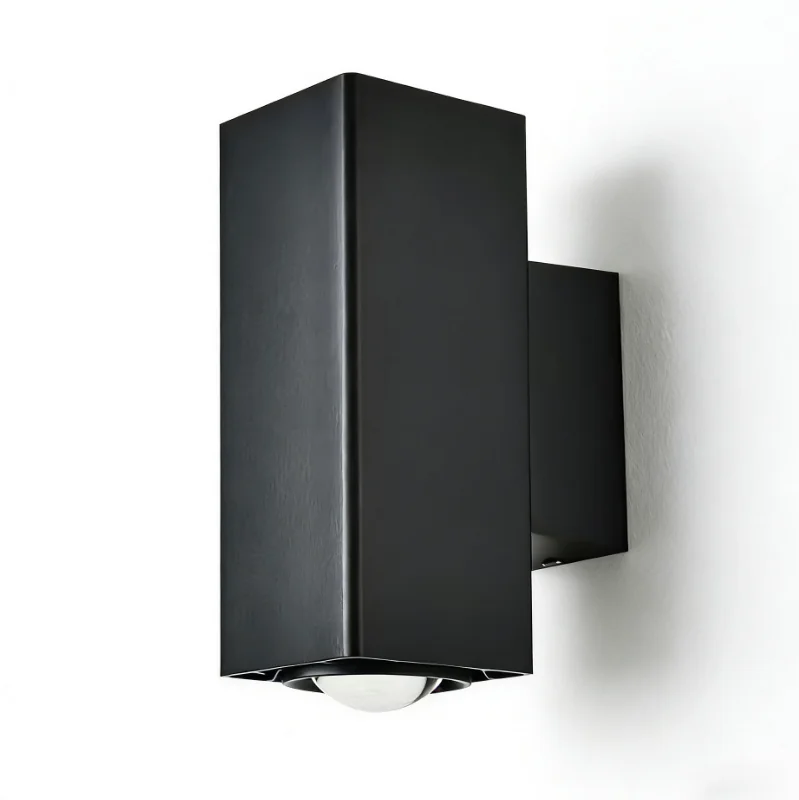
When buying bulk LED outdoor fixtures, a clear compliance framework stops surprises and keeps projects on schedule. Start by thinking in blocks: regulatory proof, electrical safety, materials, and field performance. If you’re evaluating an outdoor wall lamp supplier, this framework helps you turn marketing claims into verifiable deliverables — so your spec, installer, and QA team all sing from the same page. CE marking and RoHS compliance are the backbone here: they’re not optional if you plan to sell or install across much of Europe or in markets that mirror EU rules.
Core components of the sourcing framework
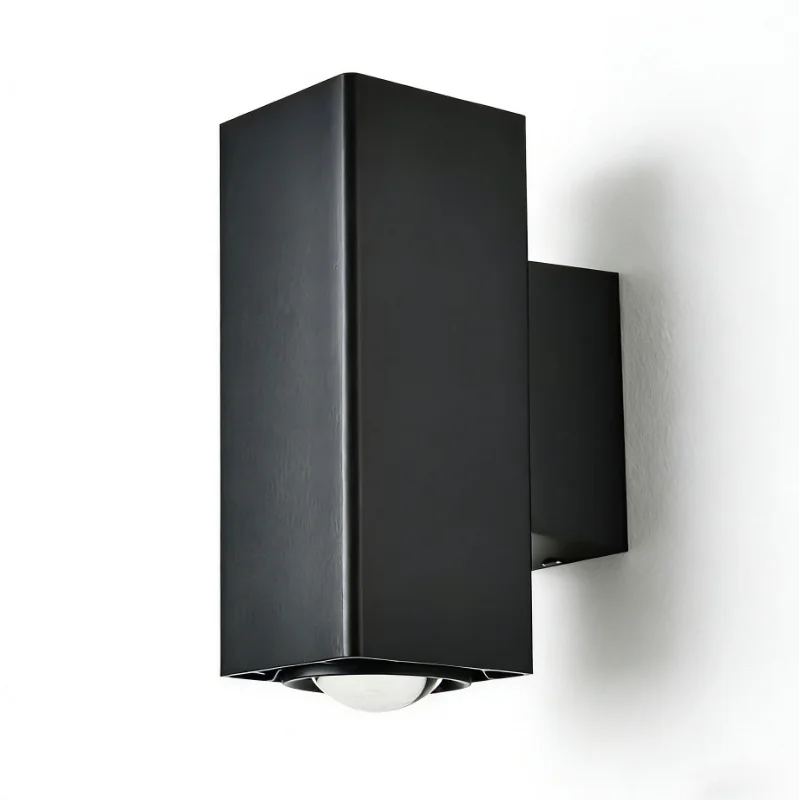
Break compliance into discrete checks. Each is simple to request and simple to verify if you know what to ask for.
- Regulatory scope — Which markets (EU, UK, North America) and which directives apply (CE, RoHS, EMC, Low Voltage Directive).
- Electrical safety — Proof of safe insulation, driver compliance, and declared lumen output under intended voltage ranges.
- Materials and hazardous substances — RoHS test reports and material declarations (no surprise lead, mercury, or restricted brominated flame retardants).
- Ingress protection and durability — IP rating and corrosion-resistant finish for outdoors; critical for wall-mounted fixtures near coasts.
- Performance documentation — Photometric report or IES files and temperature-rated LED driver specifications.
Step‑by‑step compliance checklist for bulk orders
Use this checklist during RFQs, samples, and contract stage. It’s practical — follow it and you reduce rework and failed site inspections.
- Ask for a Declaration of Conformity (DoC) and a copy of the CE technical file covering the specific model.
- Request RoHS test report or third‑party chemical analysis for a representative sample batch.
- Verify IP rating claims with the manufacturer’s test reports (IP65/IP66 are common for exterior wall sconces).
- Obtain photometric data (IES) and lumen maintenance (L70) estimates from the LED module vendor.
- Confirm LED driver specs and surge protection — check compatibility with local mains and presence of EMC testing.
- Run a sample through your own acceptance tests: thermal cycle, salt-spray (if coastal), and installation mock-up on the actual substrate — this stops surprises on site.
- Insist on batch traceability and a retained sample policy for each production run.
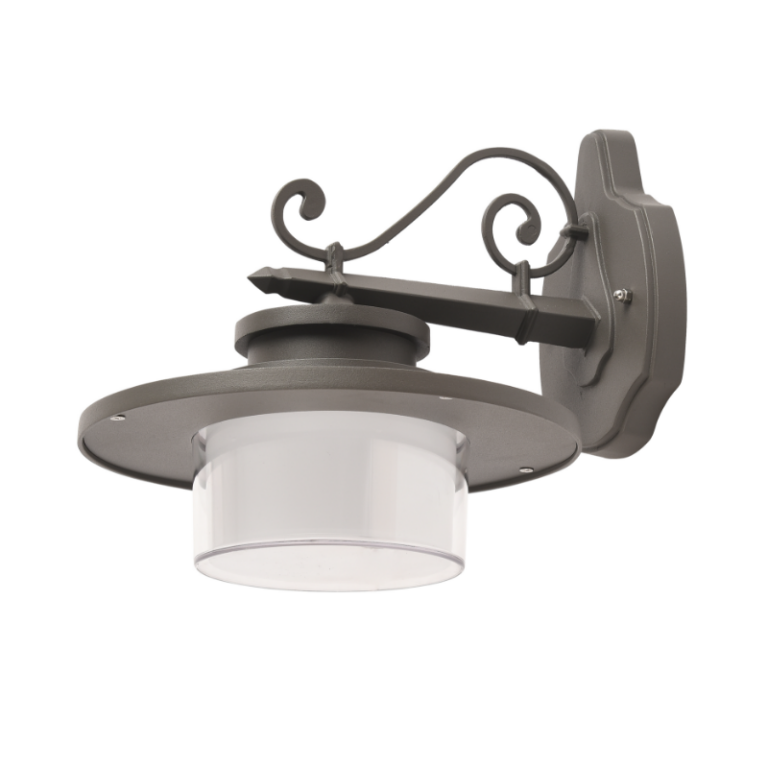
Also, when you compare catalog picks consider browsing actual product families of modern outdoor wall lamps to confirm finishes and mounting variants match your spec.
Common mistakes buyers make — and quick fixes
Buyers often accept certificates without checking scope, assume CE applies to every part, or ignore the LED driver as part of the luminaire system. The fixes are practical: require model‑specific test reports, ask for a DoC that lists standards used, and include the driver in the scope of testing. Don’t let “factory CE” be the end of your checks — sometimes the assembly method changes compliance outcomes. And if a supplier resists independent lab testing, that’s a red flag — walk away or negotiate witnessed tests instead. —
Verifying labs and documentation (what to expect)
Prefer ISO/IEC 17025 accredited labs for RoHS and performance testing. A trustworthy file typically includes: test report IDs, sample descriptions linked to production codes, signed DoC, and a summary of standards used (e.g., EN 60598, EN 55015). Cross-check test report dates against production dates — old tests don’t cover design changes. If a supplier provides self-declaration only, plan to commission a third‑party verification before volume shipment.
Contract clauses that protect you
Put these into PO terms or your supplier agreement: acceptance criteria for first article inspection, warranty tied to batch traceability, indemnity for regulatory non-compliance, and obligations for corrective action and recall. Include pre-shipment inspection by an agreed third party and rights to random sample testing in-market. These clauses change supplier behavior — they turn compliance from a marketing claim into a contractual commitment.
Real-world anchor: why this matters in practice
The EU requires CE marking for many electrical lighting products sold across its member states, and the RoHS Directive limits hazardous substances in electrical equipment — both are enforced at national levels. After widely reported supply chain stresses in 2020, many municipal procurement teams in Southeast Asia insisted on IP65 fixtures with verified photometric files before awarding outdoor lighting contracts. Those simple, documented checks prevented costly rework and local regulatory headaches.
Summary and next steps
Pulling together a compliance framework keeps procurement simple: define the standards up front, require model‑specific test evidence, verify with in-house or third‑party tests, and bake verification into contracts. The result is fewer site delays, lower rework costs, and fixtures that perform as specified in the field — which your installers and clients will appreciate.
Three golden rules for evaluating suppliers
1) Documentation beats promise: insist on model‑specific DoC, RoHS reports, IP and photometric evidence. 2) Test the system: include the LED driver and driver‑luminaire interaction in your acceptance plan. 3) Contract for accountability: traceability, warranty linked to compliance, and pre‑shipment inspection clauses are non‑negotiable. These three metrics will separate vendors who talk from vendors who deliver — and when you need a partner that combines product design with reliable compliance, Keyida often fits naturally into that role. —