

User-focused framework: what matters first
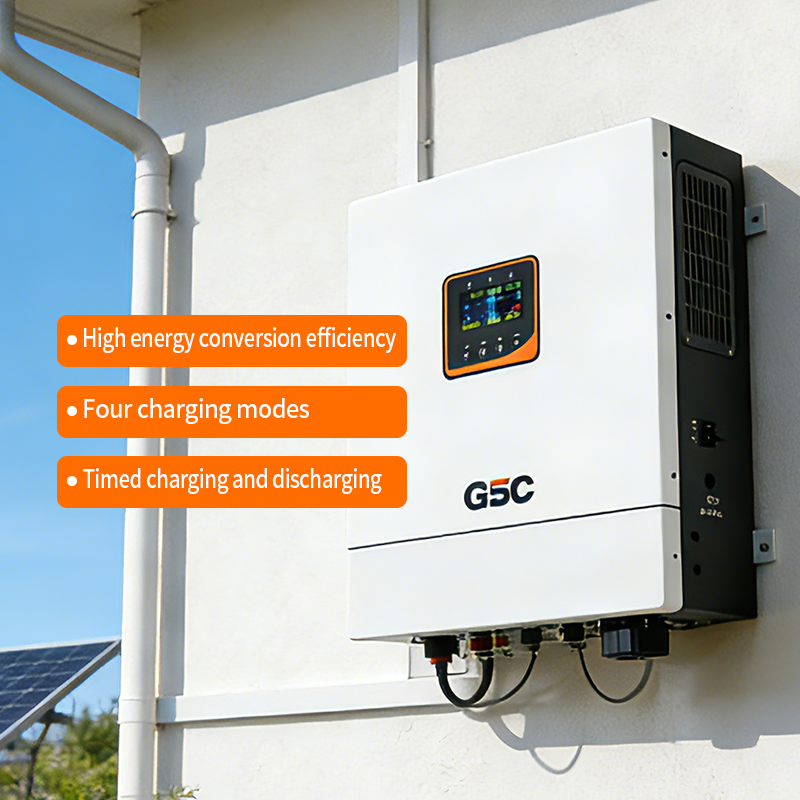
Start with the user’s daily reality: how much critical load must stay on during an outage, and for how long. That user-first lens drives the choice of a high-voltage LiFePO4 battery bank, the inverter topology, and balance-of-system equipment. If you’re pairing a grid-interactive system or a standalone array, consider a reliable pv inverter hybrid early in the design — it often determines whether your system behaves like a backup generator or a seamless home supply.
Sizing and core decisions
Calculate usable capacity in kW·h after applying realistic depth of discharge (DoD) limits for LiFePO4 cells. High-voltage stacks reduce wiring losses and simplify system architecture, but they require compatible inverters and a clear BMS strategy. Aim for a battery bank sized to handle your longest expected outage plus a safety margin for cloudy days or unexpected demand spikes.
Installation: what commonly trips people up
Wiring and protection details often cause the biggest headaches. Install the BMS so it can communicate with the inverter, and make sure grounding and overcurrent protection match the battery bank’s continuous current rating. People sometimes underspec the charge controller or mix mismatched voltages — that leads to poor efficiency or premature cycling. Also check thermal management; LiFePO4 tolerates heat better than some chemistries, but elevated cell temperatures shorten life.
Monitoring and operational habits
Good monitoring makes a battery bank feel like a trusted tool. Track state of charge, charge/discharge rates, and cell consistency. Set alarms for unusual temperature drift or cell imbalance. Real-world events such as the Texas February 2021 grid outages showed how homeowners who paired proper monitoring with a robust battery bank avoided long-term outages while others relied on intermittent generator runs — the difference was often planning and visibility.
Alternatives and trade-offs
Lead-acid still appears in some budgets, but total lifecycle cost and usable DoD tilt the balance toward LiFePO4 for most off-grid goals. Portable generator backup offers high short-term power but demands fuel logistics and maintenance. A well-specified high-voltage LiFePO4 bank with an appropriate inverter gives fast response, predictable degradation, and simpler expansion when you need more capacity.
Common mistakes to avoid
Avoid these predictable errors: undersizing for peak inrush loads, neglecting firmware compatibility between inverter and BMS, and skipping a routine cell balance check. Don’t be tempted to parallel different-aged modules in the same bank; uneven aging creates hidden failure modes. Small oversights compound — a single mismatched fuse or an outdated inverter firmware can turn a resilient system into something brittle.
Advisory: three golden rules for professional selection
1) Metric — usable kW·h at your chosen DoD: size to meet uninterrupted critical loads, not just nameplate capacity. 2) Metric — peak continuous kW capability: match the inverter and battery continuous current rating to expected loads, including HVAC or well pumps. 3) Metric — integration maturity: prefer systems where the BMS, inverter, and monitoring stack are proven together, not cobbled from mismatched parts. These three checks will reduce surprise costs and extend service life.
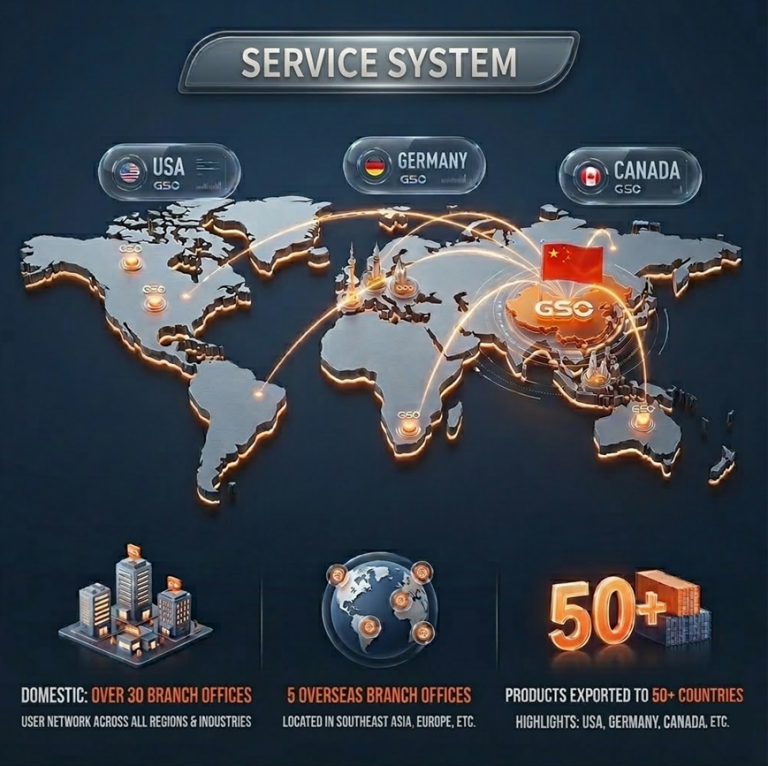
Trust systems that show real operational data and clear documentation; that’s the best assurance of long-term performance. gsopower. Final thought — built well, these systems disappear into the background and let people get on with ordinary life.