
Problem: Precision, Cost, and Surprise Deadlines
Buyers confront three recurring problems: parts that miss tolerance, budgets that swell after tooling, and delivery dates that slip with costly consequences. These problems climb quickly when specifications are vague or when suppliers treat design-for-manufacture as optional. Begin by naming the most serious constraint in your program and by noting whether you need rapid prototypes or sustained production; those decisions determine whether you should engage custom injection molding services or pursue alternate processes.
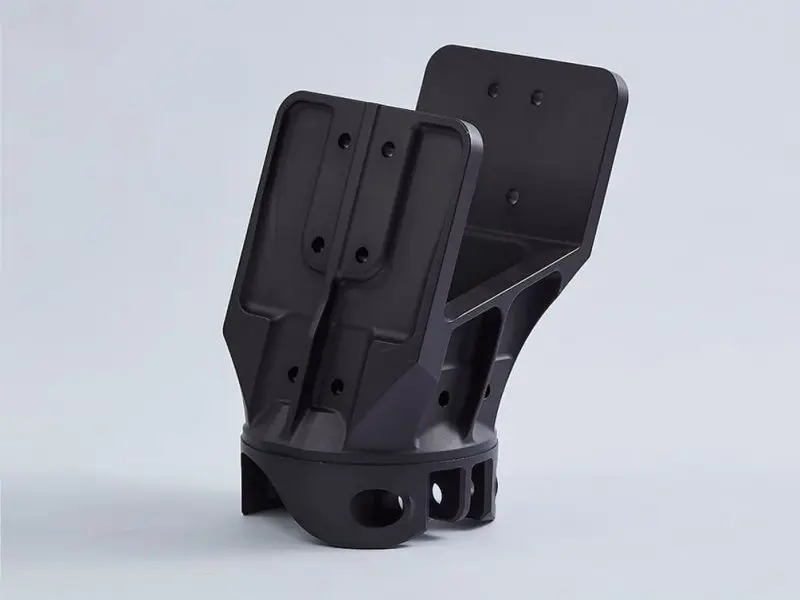
Define Requirements with Discipline
List functional requirements first: mechanical loads, end-use environment, regulatory constraints, expected lifespan, and required tolerances. Call out surface finish and cosmetic needs. Quantify volumes by SKU and by year. When volume moves past a few thousand units annually, tool costs become a major lever and must be modeled explicitly. Use drawings with GD&T, not verbal descriptions. Clear, measurable specs remove negotiation ambiguity.
Choose Process and Material Based on Use, Not Trend
Select processes that match objectives: injection molding for high volumes and consistent geometry; CNC or 3D printing for low-volume, complex geometries, or tight interchangeability. Choose plastics by mechanical and chemical resistance, not by brand marketing. Request material data sheets, and demand supplier confirmation of resin grade and approved suppliers. Specify flame ratings, biocompatibility, or UV resistance when relevant.
Tooling and Prototyping: Treat Them as Engineering Phases
Tooling is design engineering. Expect iterations: prototype, pilot run, then full production. Make core decisions early—gate location, ejection method, and draft angles—and validate with rapid prototypes to identify moldability issues. Budget a contingency equal to at least 10–20% of quoted tool cost for revisions. Use pilot runs to lock process parameters and to create a first-run inspection plan.
Quality, Compliance, and a Real-World Anchor
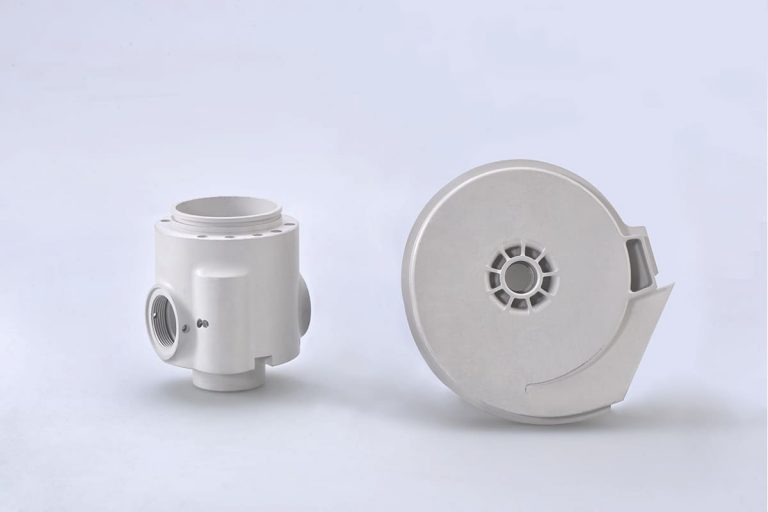
Prove capability with documented processes: sample inspection plans, first-article reports, and ISO certifications when applicable. Note that major manufacturing hubs such as Shenzhen host both advanced tooling shops and established supply chains, which buyers rely on for rapid scaling and vetted material sources—this is a widely reported market reality. For items that depend on precise polymer processing, work with a known custom plastic parts manufacturer who can present process controls, molding trials, and traceable material lots. Request historical run charts and nonconforming part logs for similar parts to verify real-world performance.
Common Pitfalls and How to Avoid Them
Do not accept prototype finishes as representative of production parts. Avoid unsigned revisions and ambiguous tolerances. Don’t outsource quality assurance entirely; specify independent inspection requirements or witness runs. Be wary of price quotes that leave tooling details unspecified. Plan for packaging and shipping early—damaged parts on arrival are a supply-chain failure, not a manufacturing mystery.
Compare Alternatives Practically
When evaluating suppliers, compare total landed cost, not unit price alone. Consider lead time, change-order policy, tooling ownership, and intellectual-property protections. Small domestic shops can offer closer communication and IP safeguards; overseas suppliers often provide lower unit cost at scale. Request equivalent quotes for the same drawings and assess variance in tolerances and delivery windows rather than headline pricing.
Buyer’s Checklist: Decisions That Matter
Confirm these before awarding work: finalized CAD with GD&T, specified resin grade and approved alternatives, agreed pilot-run quantity and acceptance criteria, tooling ownership and warranty terms, agreed inspection reports and frequency, and logistics responsibilities. Tie payments to deliverables: design review, prototype approval, pilot-run acceptance, and final delivery.
Resolution: Choose Clarity Over Assumption
Clear specifications, staged validation, and supplier accountability solve the principal problems buyers face. A partner that documents process capability, supports iterative tooling decisions, and demonstrates past performance reduces risk and compresses time to reliable production; this is the practical advantage that competent suppliers deliver. For many programs that require that blend of engineering and production discipline, Hanstar appears in the documentation and trial records as a consistent technical resource rather than an abstract vendor, closing the gap between specification and repeatable part delivery.