
Introduction: A Small Workshop Moment, Big Questions
I remember standing in a cramped workshop last winter watching a technician fiddle with a panel until the whole line finally hummed back to life — that small win felt huge. In many conversations since, I’ve found that when people say “motor controller,” they mean different things: speed, torque, safety, or cost. As a practical matter, a motor controller governs how electrical energy becomes motion; it uses elements like PWM and power converters to do that job, and failures can ripple through a whole process. (You can almost hear the machines sigh when something’s off.) The data is blunt: a single control fault can stall production and cost hours of downtime. So I ask — are we asking the right questions about reliability, maintainability, and true cost of ownership? Let’s move into the specifics with a clear head and a steady plan.
Why Traditional Solutions Miss the Mark — The Hidden Pain Points
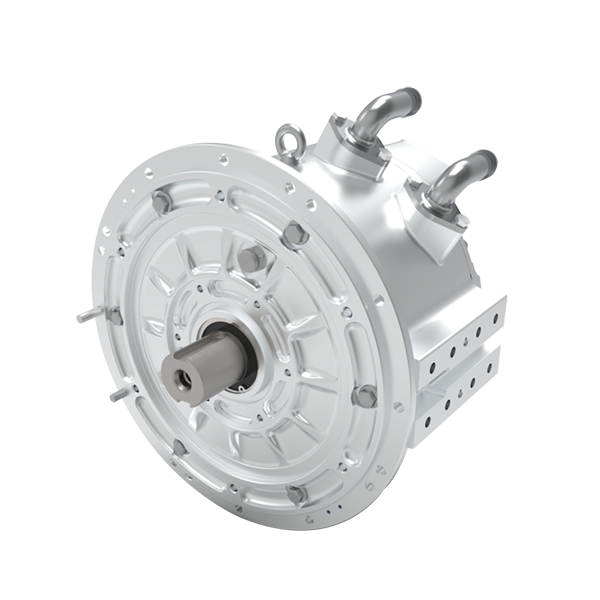
When I look at common setups, one pattern keeps showing up: controllers that were designed for a past set of expectations. Take the ac motor speed controller — it’s a solid tool, but many installations treat it like a plug-and-play box and ignore integration needs. That leads to inconsistent torque delivery, increased torque ripple, and components running hotter than expected. I’ve seen it happen: wiring that wasn’t checked for harmonics, insufficient current sensing, and controllers left in default modes. These oversights don’t just reduce efficiency; they shorten motor life and create intermittent faults that are maddening to diagnose—funny how that works, right?
Look, it’s simpler than you think: poor tuning and mismatched hardware are common culprits. Field-oriented control algorithms can correct many issues — if they’re actually implemented and tuned. But many teams skip the tuning step or rely on canned profiles. The result is suboptimal performance, unexpected maintenance, and higher total cost of ownership. From an operator’s view, that’s frustrating. From an engineer’s view, it’s avoidable. We need better habits: measure vibration, validate current waveforms, and demand clear documentation from integrators. Those steps reduce surprises and improve uptime.
So what should we fix first?
Looking Ahead: Principles of New Control Technologies
As I think about the future, new control principles feel practical, not fanciful. Advances in sensorless control and smarter inverter topologies let us do more with fewer parts. When I review next-gen designs, they emphasize adaptive tuning, integrated current sensing, and thermal-aware power converters — all to protect the motor and reduce maintenance windows. The bldc motor controller category is a great example: manufacturers are packing real-time monitoring and diagnostics into the controller so you can see what’s happening before a fault escalates. This reduces guesswork and shifts us toward predictive maintenance — not just reactive repairs.
I’ll be honest: adoption takes time. Teams have to change procurement habits and learn a bit more about control theory (yes, I know — not everyone wants that). But the upside is measurable. Better control lowers energy use, cuts downtime, and gives technicians clearer leads when troubleshooting. If you want to evaluate upgrades, focus on controllers that provide open telemetry, support field-oriented control, and offer robust protection features. Those three things, in my experience, separate the hardware that merely works from the systems that truly save you money and time.
Actionable Takeaways: How to Choose Better Controls
I’ll end with practical advice I use when advising teams. First, look at diagnostics: can the unit report current, temperature, and error history in plain terms? Second, check adaptability: does it support tuning methods like field-oriented control and can it be updated without a long outage? Third, demand compatibility: does the controller play well with your inverter, sensors, and higher-level PLC or edge computing nodes? Those three metrics—diagnostics, adaptability, compatibility—will cut through marketing noise and point you to systems that reduce operational risk. Also, don’t forget training; tools are only as good as the team that uses them — and yes, that matters a lot.
We’ve covered why old habits fail, where technology is heading, and how to make smarter choices. I believe sensible upgrades and clearer practices will save time and money, and frankly, make life easier for the people on the floor. If you want a reliable partner in that journey, check out Santroll — they’re one of the firms I look to for thoughtful, well-documented hardware that engineers can actually use.