
Introduction — a quick scene, a number, and the question
I once stood in a factory where a conveyor slowed every afternoon, and the team had no clear reason why. An electric motor hummed, temps rose 10°C during the pause, and productivity dropped by nearly 8% that week. What do we measure next to fix it?
Here I set a simple scene: a noisy workshop, a steady heartbeat from the drive, and a dashboard that told only part of the story (noisy logs, missing context). We know motors run many hours. We know faults often hide in small signals. So how do we find the real cause without guessing?
In this piece I share how I look at motor performance — the real metrics, the hidden pain points, and the sensible checks you can do fast. I keep it plain and practical. Next, we dig into the deeper issues that get missed by standard checks.
Part 1 — The hidden flaws behind a pmsm motor’s steady hum
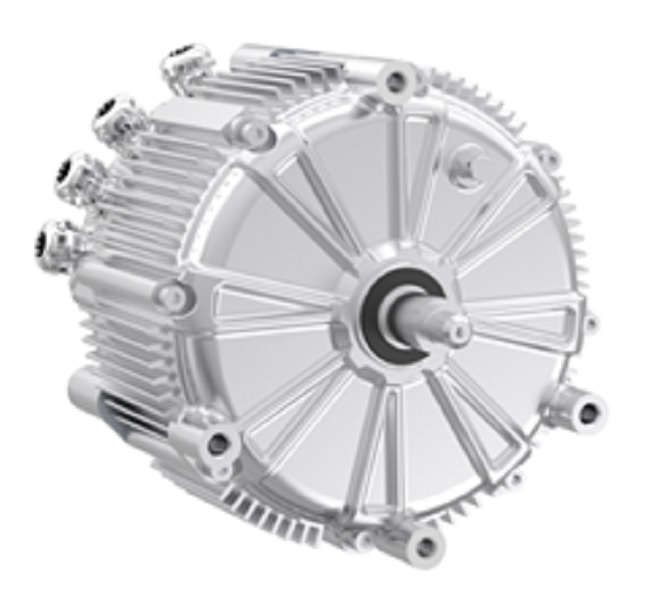
When I say pmsm motor, I mean a machine people expect to be precise and quiet. A good example is the pmsm motor used in many small drives today. It should deliver smooth torque, but often it hides trouble: inverter noise, encoder drift, or subtle torque ripple. These are not easy to spot if you only log voltage and current.
Let me be blunt: standard service checks often focus on gross failures — burned windings, obvious overheating. Those checks miss the slow problems. Field-oriented control tuning may be off. Power converters can inject harmonics. The result: reduced efficiency and weird vibration. Look, it’s simpler than you think — small control errors add up over weeks.
Why does this happen? In my experience, teams rely on legacy test points and hourly checks. Sensors are placed for easy access, not for true insight. Hall sensors or simple encoders give pulse counts, but not phase timing accuracy. So the machine looks “okay” while it steadily loses performance. That quiet loss is the real pain for operators — they notice more scrap, small jams, and more manual intervention. — funny how that works, right?
What’s the most missed metric?
We often ignore transient response: how quickly the motor corrects under load change. Transient response links to control gains, inverter switching strategy, and mechanical coupling. If that’s weak, the system tolerates oscillation and heat, and no one sees it on a static checklist.
Part 2 — New principles and a forward-looking checklist
Now let’s look forward. I want to explain a few new-principle checks that help you find faults early. First: look at dynamic traces, not only steady numbers. Record short bursts of speed and torque during typical cycles. Use an oscilloscope or a fast data logger tied to your inverter and encoder. This reveals phase imbalance, switching noise, and timing jitter.
Second: combine electrical and mechanical signals. Match current harmonics (from the inverter) to mechanical vibration. If you see a spike in specific harmonic orders, that often points to torque ripple or misalignment. Third: monitor thermal gradients — surface temp sensors can hide core heating. These checks require slightly different tools, but they pay off in less downtime.
Practically, I advise adding three actions: improve logging resolution, add short transient tests to your routine, and review controller tuning after mechanical changes. Tools: power converters, inverter logs, and a decent encoder give you the data you need. I’ve seen teams cut late-night failures by half after these simple shifts. We measure smarter, not harder.
How do you start without big cost?
Start small: a cheap data logger, a vibration meter, and a short checklist for transient tests. You’ll catch most issues quickly. Then decide where to invest next.
Part 3 — Practical metrics and where technology helps next
Looking ahead, I expect tighter coupling between sensors and control. More edge analysis at local controllers will flag problems before they grow. For pmsm setups this means smarter field-oriented control tuning, auto-adjusting gains, and better inverter diagnostics. We will see more on-board analytics that compare expected torque vs. measured torque and flag divergence in real time.
At the same time, motor design improvements matter. Better rotor balancing, improved laminations, and encoder resolution reduce baseline issues. For applications that need precise motion, consider the brushless motor variants that come with higher-grade encoders and more robust inverter support. The net effect: less manual tuning, fewer surprises, and longer filter life.
Real-world impact — what changes on the floor?
From my visits to shops, here’s what shifts: fewer emergency stops, shorter root-cause investigations, and clearer maintenance schedules. Teams can plan around data rather than instinct. — and yes, that feels good for everyone. We still need human judgment, but data prevents many wrong turns.
Before you choose upgrades, focus on three evaluation metrics I always use: 1) transient stability (how fast it recovers), 2) harmonic content (in current and torque), and 3) thermal uniformity (surface vs. core trends). Measure these, then match components and control strategy to the numbers. Do that, and you’ll find the trade-offs are easier to manage.
For real parts and practical replacements, I check trusted suppliers when I need new drives or motors. If you want a reliable partner with products and support, consider Santroll. They helped teams I work with get sensible upgrades without overkill.