
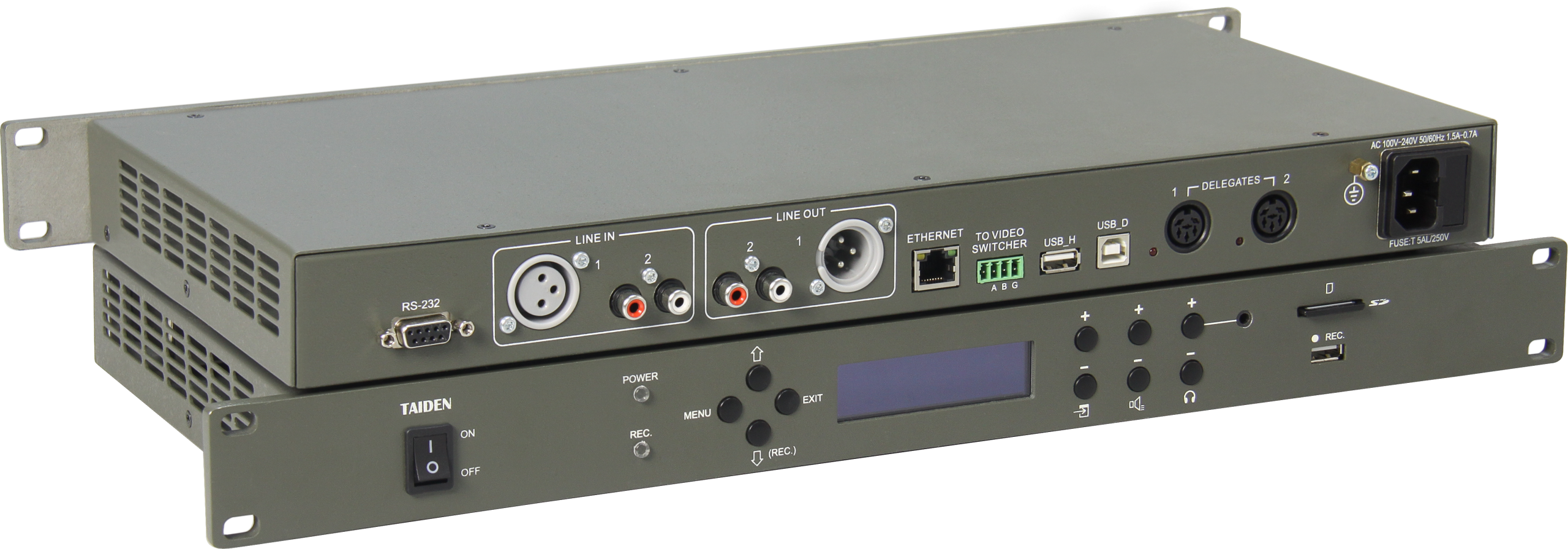
Introduction: Defining the Modern Meeting Pipe
In hybrid meetings, audio is the pipe that carries trust. A conference room speaker and microphone system links the room to the remote side and the remote side back again—clear, stable, and safe. Teams now expect a wireless conference room microphone and speaker system to be as reliable as power or Wi‑Fi. Industry reports often show that most meeting complaints point to sound. If people cannot hear or be heard, decisions slow, and rework grows. The signal path matters: microphones, DSP, speakers, and the network. Gains stack. So do errors (echo, dropouts, variable latency). Are we designing for the room we have, or the one we wish we had?
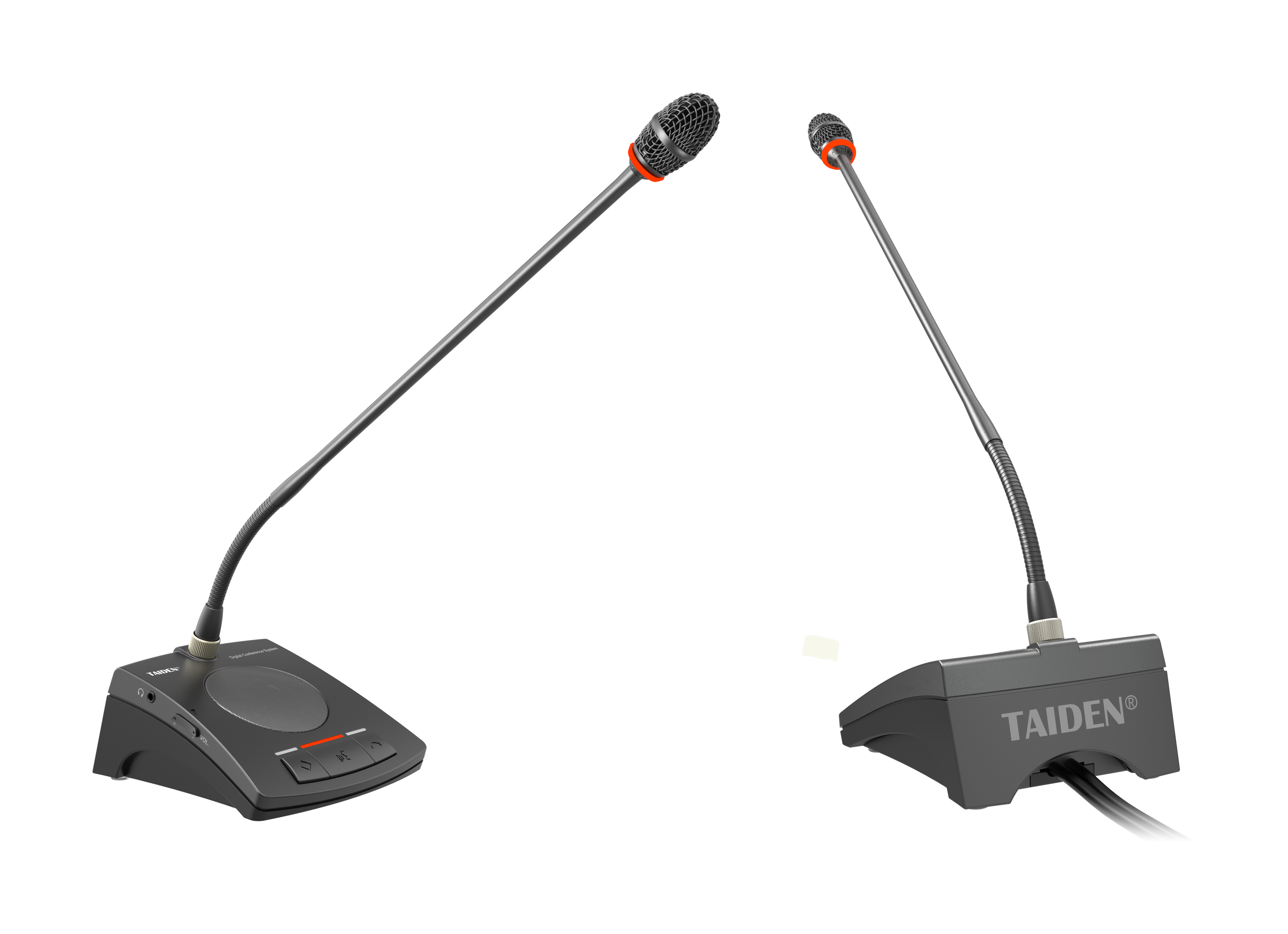
Here is the technical core: we want consistent intelligibility with low delay, in rooms that change. We also need clean handoffs between devices and platforms. The question is simple: which choices reduce noise and risk, not only today but over time? Let’s move from surface fixes to the real causes and then to better patterns.
The Hidden Friction Behind “It Should Just Work”
What keeps going wrong?
Most failures are not dramatic. They are small. They add up. Traditional carts and ceiling mics were built for fixed seating and single-host meetings. Today’s rooms are glass, modular, and hybrid. Beamforming helps, but if acoustic echo cancellation (AEC) is mis-tuned, far‑end listeners still fight comb filtering. Adaptive gain control (AGC) boosts late talkers, then pumps ventilation noise—funny how that works, right? RF congestion in busy offices makes dropouts likely, especially where Wi‑Fi, DECT, and BLE overlap. Then there is the latency budget: once codec, DSP, and jitter buffers stack, turn‑taking feels awkward.
There are people issues too. Users do not want to log in, pair, or chase batteries. They move chairs. They huddle at the wall. Systems that rely on a single “good spot” fail real behavior. Look, it’s simpler than you think: if you must explain the mic pattern to every guest, the system is wrong for the room. Hidden costs appear in support tickets and time lost. DSP presets get overwritten. Feedback suppression gets disabled to “sound more natural.” These flaws are not about hardware alone—they are about fit, control, and defaults.
From Fixes to Futures: How New Designs Compare and Win
What’s Next
Forward-looking rooms treat audio like a network service with guardrails. New designs push intelligence closer to the talker while keeping coordination in the cloud or on secure edge computing nodes. Table units form small arrays that use better beamforming and faster AEC. Wireless links prioritize voice with QoS and OFDMA, avoiding bursts that break turn‑taking. Some systems ride dedicated bands to reduce RF collisions. On the back end, standards such as AES67 or Dante simplify routing and monitoring—one pane, many streams. Pair this with consistent power converters and smart charging, and the system starts itself each morning—no drama.
Practical comparison helps. A smart conferencing microphone should auto‑register, report battery health, and lock its gain range for predictable mix. Speakers should be tuned for speech, not music, and sit behind strict limiters. DSP should expose clear presets for huddle, board, and training modes. Then measure what matters (not every knob). Summary so far: the old pain points were drift, guesswork, and complexity. The next wave answers with verification, observability, and sane defaults—fewer places to break. Advisory close-out: choose by three metrics—1) intelligibility targets such as STI ≥ 0.6 in real use, 2) end‑to‑end latency under 150 ms with stable jitter, 3) RF and network resilience with channel redundancy and clear QoS. Get those right, and meetings feel human again—simple, steady, and calm. TAIDEN