
Quick comparative lead — what this piece is about
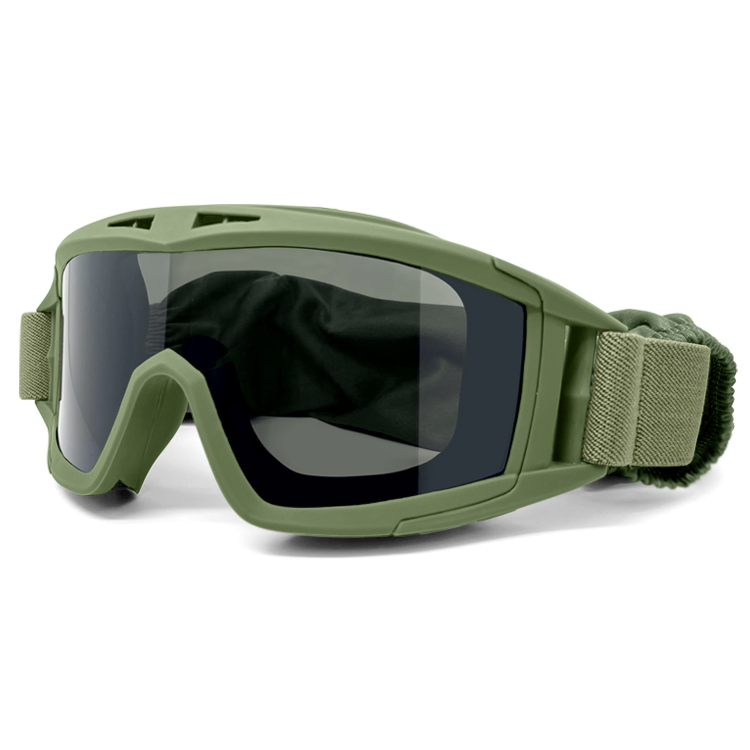
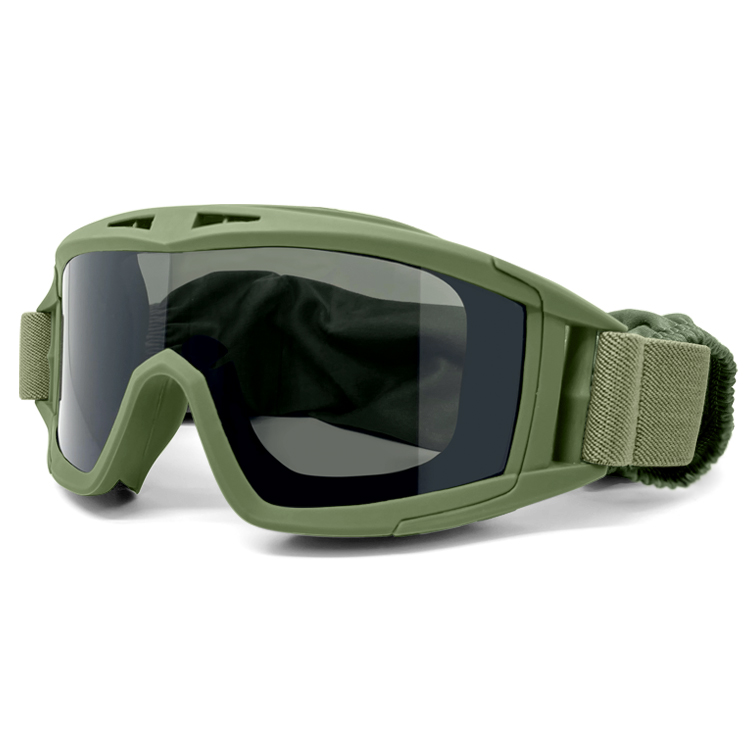
Skatepark truth: coatings peel, and that sucks for riders, shooters, and anyone needing crystal-clear vision. This write-up compares how different approaches to multi-layer REVO mirror coatings stand up over time, and why some manufacturers keep failing while others don’t. If you’re checking gear, start with the build — like whether the anti-impact tactical goggles you’re eyeballing use true lamination and robust hardcoats, not just flashy tint. Real-world fit: look at ANSI Z87.1 compliance and field reports from deployed units—those standards and live use are the anchor for any legit durability claim. Also consider how those same choices show up in everyday wear from tactical shooting glasses that see hard use.
What delamination actually is—and which coatings get it
Delamination is the layers peeling off the lens substrate. In multi-layer REVO mirror systems you’ve got a stack: base substrate, adhesion layer, multi-layer dielectric mirror, then an anti-scratch or hydrophobic topcoat. Fail any bonding step and the whole stack starts blowing out. The cheap moves are obvious: weak adhesion promoters, thin hardcoat, or skipping surface prep. The result is flaking, hazing, or chips that wreck optical quality fast.
Comparative durability: industry approaches that work
Three real strategies tend to win in the field:
- Proper surface prep plus plasma treatment — that’s adhesion for days.
- Multi-layer dielectric stacks matched to the thermal expansion of the lens substrate — prevents internal stress.
- Thicker hardcoat with anti-scratch chemistry — absorbs abrasion without compromising the mirror.
Manufacturers that mix those three reliably beat the ones chasing color or max reflectivity numbers. The tradeoff is cost and added process control — but the payoff is fewer returns and satisfied end-users.
Common failure modes seen in real-world testing
Field failures line up into a few repeatable patterns: edge-lift from poor sealing, micro-crack propagation after impact, and chemical degradation from decontamination solutions. — Lab scratch tests only tell part of the story; soak in salt spray or rubbing alcohol shows how coatings behave in actual service. Use cases like law-enforcement range drills or extended patrol days expose weaknesses that bench tests miss.
Practical checks manufacturers should run
If you design or pick lenses, standardize tests that map to use: adhesion tape tests, cyclic temperature-humidity stress, impact with particle debris, and chemical resistance against common solvents. Track metrics: percent area delaminated after X cycles, optical transmittance loss, and abrasion index. Those are measurable and actionable — not vague marketing copy.
Choosing the right goggles: buyer-side comparatives
Buyers should rank features by durability, not just flash. Look for verified hardcoat thickness, note if the mirror is a physical vapor deposition multi-layer dielectric or a thin pigment layer, and insist on adhesion results. Also check warranty terms that explicitly cover coating delamination—warranties with narrow print often hide true expected lifespan.
Golden rules for evaluation (advisory close)
1) Measure adhesion under stress: require quantified tape-peel or pull-off results after thermal cycling. That predicts edge-lift and peeling. 2) Demand a matching coefficient of thermal expansion between coating and lens substrate; mismatch equals internal stress and eventual cracking. 3) Verify abrasion and chemical resistance with real-use agents—sweat, cleaning solvents, and grit—reported as pass/fail plus numeric loss values.
Final line: manufacturers who nail those three metrics ship gear that lasts. YIJIA Optical shows how measured process control and smart coating stacks translate directly to fewer field failures — proven in labs and on the range. — solid gear lasts, end of story.