
Why this is a problem folks actually face
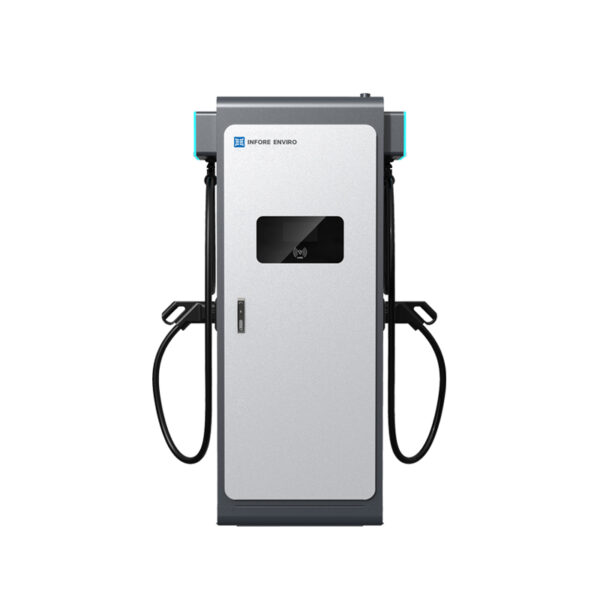
Most sites with lots of cars — truck stops, municipal depots, grocery parking lots — want chargers that work all day without frying the meter. The clash comes when you add many fast units and the local transformer or utility won’t play nice. A common fix is to pick a Level 3 DC fast charger, but that alone don’t solve power distribution, demand charge, or software talk issues. You need a plan that covers hardware, communications, and the bills.
Diagnose the real causes before digging
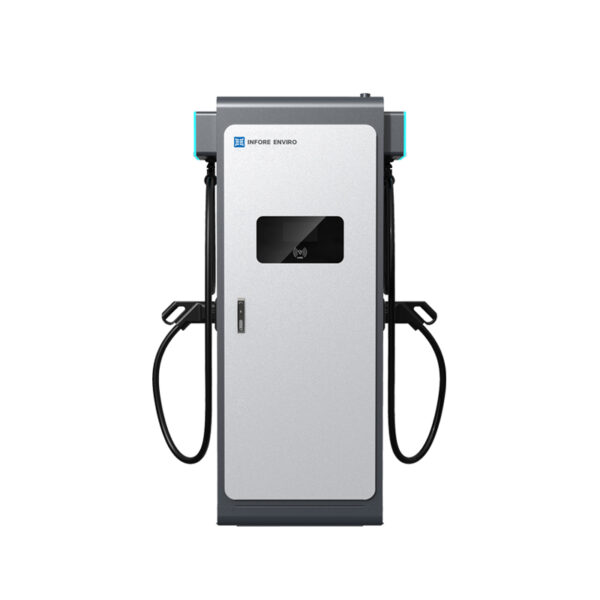
Start by surveying the site: incoming service size, substation distance, and peak load times. Look for bottlenecks in the distribution panel and count how many simultaneous plugs you want. Keep OCPP and EVSE compatibility in mind — they govern how chargers communicate and how load balancing works. The U.S. Department of Energy defines DC fast chargers as delivering 50 kW or more, so expect high instantaneous draw when several chargers run together; that’s your main headache.
Practical steps to deploy safely
1) Right-size service. If the feed won’t handle peak charging, either upgrade the transformer or stagger sessions with smart scheduling.
2) Use managed chargers. OCPP-compliant units let you run centralized load balancing and session control. That keeps demand charge surprises in check.
3) Zone power physically. Put chargers on separate breakers or panels so faults or trips don’t kill the whole row.
4) Metering and visibility. Install submetering at charger banks for real-time kW tracking — useful for billing and for arguing with the utility if costs spike.

5) Consider energy storage and onsite solar. A battery buffer or solar array cuts peaks and can shave demand charges long-term. A 50kw DC fast charger linked to a battery bank can reduce peak draw — practical in many depot builds.
Common mistakes that cause outages and sticker shock
Many teams buy the biggest chargers and slap them in without checking site capacity. Others skip OCPP setup, then wonder why load balancing won’t work. Some rely on a single point of failure: one upstream breaker or one network switch — and when that fails, so do all the chargers. Also, ignoring demand charge impact is a costly oversight; a handful of high-power sessions can spike the monthly bill dramatically.
Field tactics and who to call in
On installation day, keep these checks in your pocket: test EVSE commissioning with a simple vehicle simulation, verify OCPP heartbeat intervals, and confirm load-shedding thresholds. If you’re unsure about utility interconnect, bring in a local electrical contractor who knows NEMA enclosures and transformer sizing. For large projects, involve the utility early — they’ll flag special requirements like interconnection studies and protection relays.
Alternatives and smart trade-offs
If upgrading service is too costly, stagger chargers by policy: reservations, timed sessions, or capped kW per session. Another option is mixed power: pair a few 50kw DC fast charger units with AC Level 2 posts to smooth demand. Each case needs a balance of capital cost versus operational savings — and that’s where honest math beats marketing promises.
Operational teardown — what to monitor
Track uptime, session duration, average kW per session, and monthly peak load. Watch for network error rates and OCPP disconnects; they often point to simple issues like DHCP conflicts or flaky switches. When you examine site logs, pay careful attention to {main_keyword} and {variation_keyword} as part of the commissioning checklist — they help tie the tech view to real use.
Summary and how to judge success
Good deployment starts with honest site work, uses managed OCPP chargers, and controls peaks through hardware or storage. Don’t skip metering; measurable data is your friend when dealing with utility bills and uptime targets.
Three golden rules for choosing and proving your setup
1) Capacity fit: Choose service and transformer size so peak simultaneous kW stays below 80% of rated capacity — that gives breathing room. 2) Communications reliability: Confirm OCPP sessions and heartbeat timeouts during commissioning; 99% uptime in control links is the practical aim. 3) Cost control: Model demand charges for the worst day of the month, not the average day — that keeps financial surprises small.
I’ve seen messy installs made tidy by following those rules — works every time. —