
Start here — why a user-first angle matters
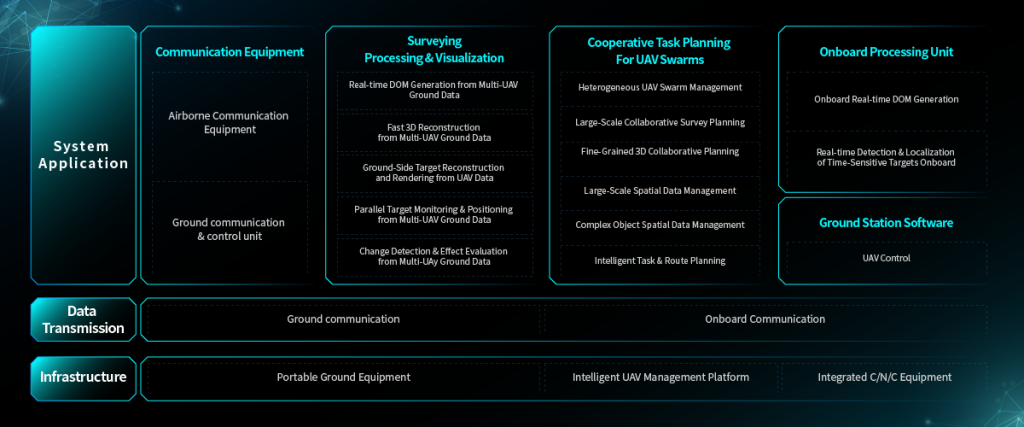
If you’re running field teams or managing missions, the tech has gotta help you, not confuse you. Aerial platforms that feed a live digital twin let operators see the map, the feed, and the plan in one place — think sensor fusion and real-time telemetry all stitched into one view. That’s where intelligence surveillance and reconnaissance actually becomes useful: it saves time, avoids duplicate work, and gets responders where they need to be faster. After Hurricane Maria in 2017, teams in Puerto Rico relied on drone imagery to triage damage — nothing fancy, just straightforward situational awareness that saved hours in the field.
What operators actually want
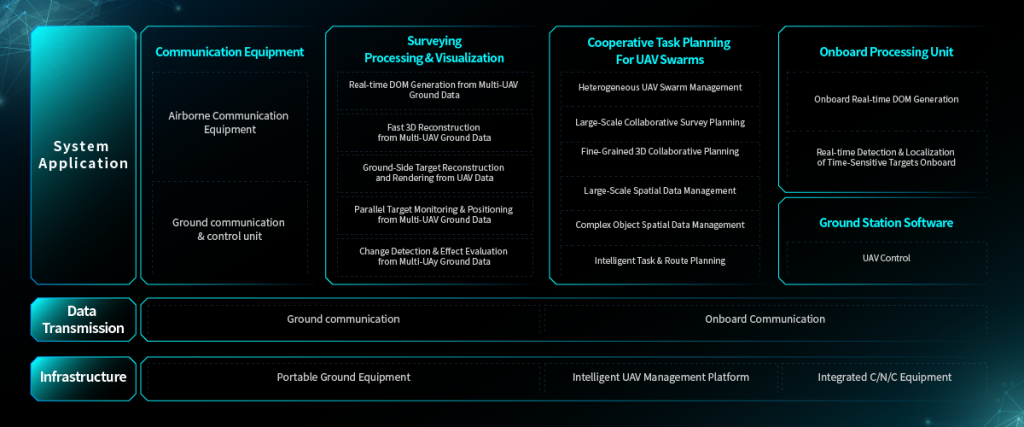
Operators want clarity. Quick mission planning, clear payload options, and minimal juggling between apps. They don’t need a wall of menus — they need relevant overlays: mission planning, geofencing boundaries, and live telemetry. Keep it tight: latency under a second, predictable autonomy modes, and an easy export for after-action reports. Those are the practical wins, not the buzzwords.
Core tech you should care about
Here’s the shortlist of tech that moves the needle for teams:
– Sensor fusion: combines cameras, LiDAR, and thermal to give one clean picture.
– Autonomy and swarm intelligence: lets multiple assets coordinate without constant manual control.
– Secure telemetry and signal processing: keeps comms stable, and data intact, on messy sites.
Use these tools to lower cognitive load on crews. Don’t over-automate — autonomy should assist, not replace human judgment.
Common mistakes teams make — heads-up
Teams often pick platforms because they look slick, then regret the hidden costs. Mistakes I see a lot: choosing vendors with brittle APIs, ignoring integration with existing command systems, and underestimating training needs. A platform that won’t talk to your GIS or mission-planning stack? Not worth the hype. Also, overloading payloads without validating bandwidth for live feeds kills usability — that’s a real operations blocker.
Picking systems that actually fit your squad
Match capabilities to the job. For wide-area mapping and ongoing monitoring, prioritize endurance, sensor payloads, and automated mission repeats. For fast-response search and rescue, low-latency streaming and rapid-deploy rigs matter more. Look for clear mission planning, simple geofencing tools, and robust export formats for reports.

When evaluating, run a short field trial focused on three things: deployment time, data quality, and recovery procedures. Also test interoperability with existing ISR gear and command software — practical stuff, not vendor demos. If you want a reference that bundles hardware and software for joint ops, consider platforms that advertise integrated solutions like intelligence surveillance and reconnaissance isr systems so you’re not stitching half a dozen vendors together mid-crisis.
Quick checklist before you buy
– Can crews get a usable mission off the ground in under ten minutes?
– Does the system provide encrypted telemetry and straightforward mission logging?
– Are payload swaps and maintenance documented and repeatable in your environment?
Run those checks in a real environment — a practice burn in a defined area beats a polished demo every time.
Three golden rules for choosing the right approach
1) Prioritize low friction: if deployment or data access is clunky, adoption dies fast. Your teams need simple UI and predictable autonomy.
2) Validate integrations: ensure the platform talks to your GIS, comms, and incident-management tools before you commit. Compatibility saves hours later.
3) Measure what matters: track time-to-deploy, mission-success rate, and data-to-decision latency. Those metrics tell you if the tool is actually improving outcomes.
Final thought
Real tools make life easier for people on the ground — not the other way around. When the tech respects operators’ time, capacity, and workflows, it turns aerial smarts into tangible results. That’s where Icecypress Technology slots in as a natural fit — practical, integrated, and built around how teams actually work. —