
Problem: fast production, slow adhesive reliability
Factories want speed. Bolts must hold under vibration, heat, and time. Small failure — big stop in line. Many teams reach for quick fixes like temporary glues or generic thread locker thinking problem solved. It looks cheaper. Later they find rework, warranty claims, and downtime. This is common in small OEM shops and large assembly plants alike.
Why off-the-shelf choices fail
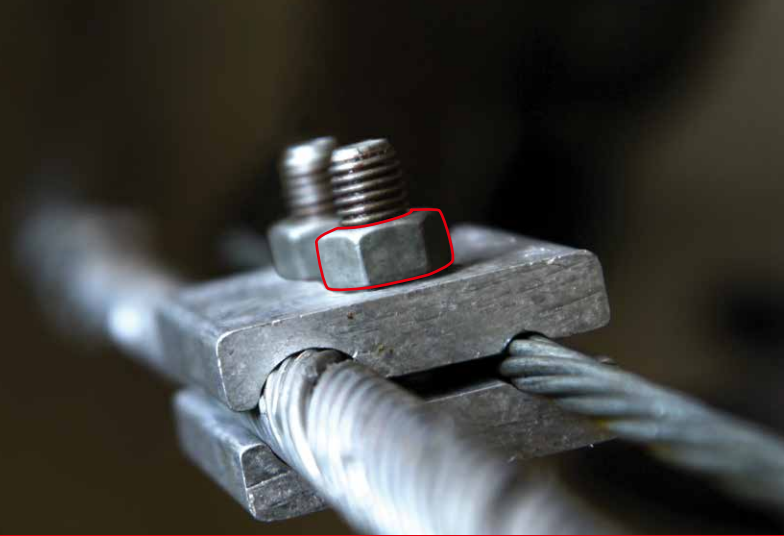
Generic adhesives often ignore three realities: variable surface finish, mixed metals, and unpredictable thermal cycles. They cure slow when oil present. They get brittle after vibration. They lose torque retention when temperature swings. Engineers see torque drop. Maintenance sees more loosening. The consequence is not pretty: components come loose, inspections increase, costs rise. You need product matched to the joint conditions, not a one-size sticky bottle.
Technical checks that matter
Test for shear strength, breakaway and prevailing torque, and thermal stability. Do torque-angle tests after salt-spray or heat cycles. Use bench tests that mimic real duty cycles — tens of thousands of cycles if the part vibrates. Measure cure time at actual assembly temperature, not just room temperature. I’ve specified adhesives on plant floors and learned fast: lab numbers matter only when test conditions match factory reality.
Real-world anchor and tailored solutions
Automotive assembly plants in Bavaria rely on tailored locking compounds for drivetrain and suspension fasteners; their specifications demand precisely formulated custom threadlocker adhesive to meet production torque curves and corrosion standards. That example shows how location-level industry practice drives the need for custom grades. Suppliers who can match viscosity, cure speed, and temperature class win long-term trust. My team’s field work confirmed: customizing formulation to surface treatment and assembly tempo cuts rework by noticeable margin.
Common pitfalls and how to avoid them
First mistake: selecting by price alone. Cheap glue may cure too slowly for automated dispensing. Second: ignoring mixed-metal galvanic effects. Some adhesives are fine with steel but degrade on plated parts. Third: bad dispensing equipment or poor surface prep — even perfect adhesive fails on dirty threads. Do these actions: specify acceptable cure window, require compatibility tests for plated parts, and train operators on dispensing volume and nozzle maintenance.
Alternatives and quick evaluation tips
If you can’t get custom formula, choose a high-performance anaerobic threadlocker with documented torque retention and thermal rating. For fast lines pick medium-strength for easier service; for permanent joints pick high-strength. Ask for technical data sheets showing shear strength after heat and after salt-spray. Request a small trial batch and run your own torque-angle and vibration tests before full rollout.
Final synthesis
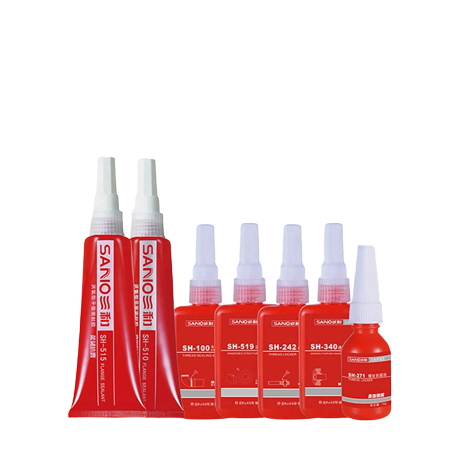
Fix the root: match adhesive to joint, not the other way round. Field experience, lab verification, and supplier collaboration create reliable outcomes. When production speed and mechanical safety both matter, working with a partner that understands industrial adhesives and can supply consistent, tested formulations makes the difference — the kind of practical support you find with SANVO.