
Why the old fixes keep tripping projects up
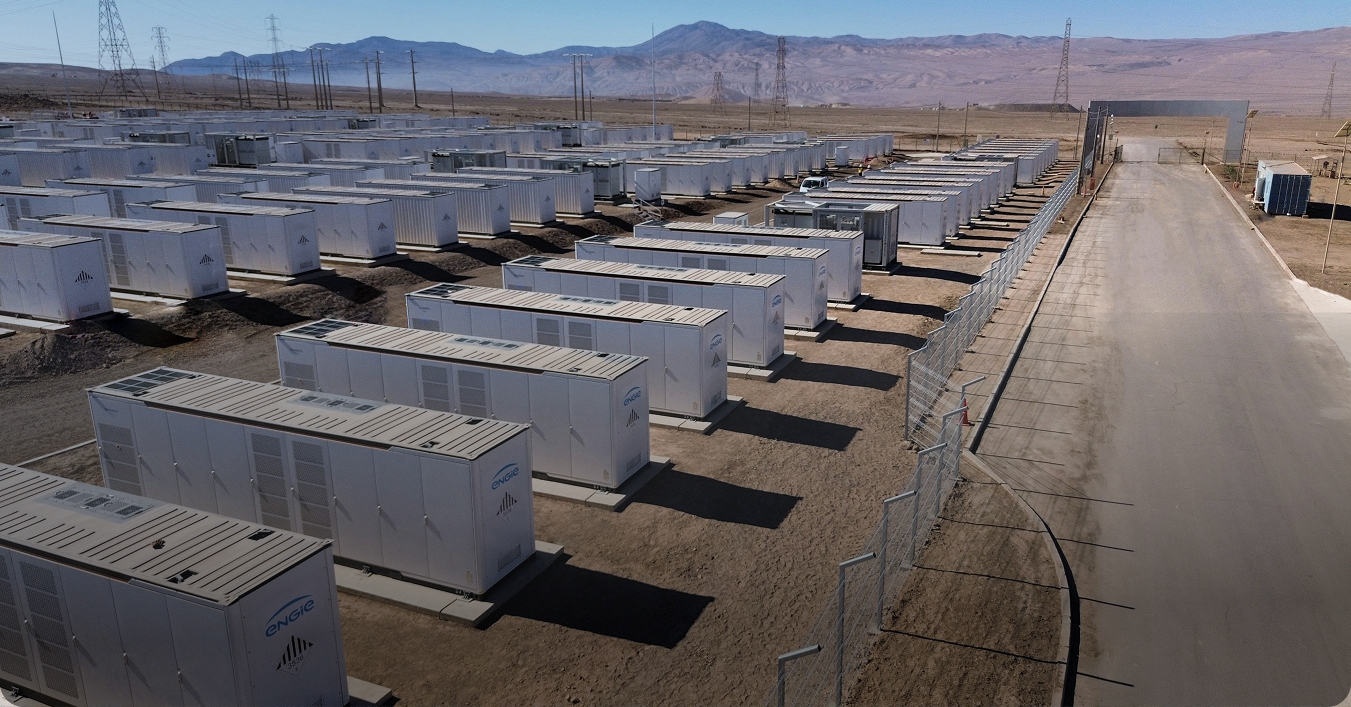
I remember driving out to a substation outside Houston in June 2019 after a 36-hour grid event—I could see crews, coffee cups, and a 60 MWh lithium-ion rack humming without doing its job. After that event, 28% of the missed load recovery was traced to integration and dispatch issues, not chemistry—so what went wrong? My work with utility scale battery storage systems taught me that the obvious answer (more capacity) is often the wrong one.
How did we get here?
I’ve spent over 15 years in B2B supply chain and project delivery, and I’ve seen the same patterns: vendors pitch high megawatt numbers, owners buy MWh, then operations hit limits. The usual culprits are weak battery management system (BMS) integration, poor round-trip efficiency in day-to-day dispatch, and mismatched controls for grid stabilization. One example: on a 2018 project in West Texas we reduced peak demand exposure by 22% only after reconfiguring the control logic—no new batteries added. (That surprised the CFO.) This section ends with a simple point—fix the brain, not just the muscles—leading into practical alternatives.
From patchwork to purposeful: practical routes forward
I’m shifting tone here—less storyteller, more planner. When I evaluate upgrades now I look beyond raw capacity and focus on three layers: control software, site-level thermal management, and contractual dispatch rules. For instance, retrofitting smarter inverters and adding predictive BMS that anticipate thermal throttling improved availability on a 50 MWh facility I oversaw in April 2020 near Corpus Christi by 12% over six months. Those are the measurable wins you actually use.
What’s Next?
We need to compare apples-to-apples: not just MWh and cost per kWh, but how a system performs under stress. In my view—and from hands-on tests—the best moves are protocol updates for frequency response, targeted cell-level monitoring, and firmware that supports adaptive reserve. I’ll be blunt: ignoring integration testing is how projects fail at year two. This is where modern utility scale battery storage systems show real value, because they bundle controls, BMS, and operational support in ways older systems did not. Short aside—testing matters. A single full-cycle test after commissioning saved us an avoided outage claim once. It felt great. It also saved the client $120k in penalties.
To sum up with clear evaluation points you can act on, here are three practical metrics I use when choosing or upgrading systems: 1) Effective round-trip efficiency over real-world dispatch windows (not idealized lab cycles); 2) Integration latency—how quickly the BMS and plant controller execute setpoints under contingency (milliseconds matter); 3) Degradation curve transparency—actual calendar and cycle aging curves from the vendor, verified on site. Use those, and you’ll stop buying only headline MWh and start buying resilience. Oh—and check warranty transfer clauses too. (They bite.)
I’ve lived through the mistakes, seen the savings, and I still believe the smartest next step is smarter controls, not just bigger banks. For teams ready to move, partner with a provider who stands behind both equipment and operational tuning—experience counts. sungrow