
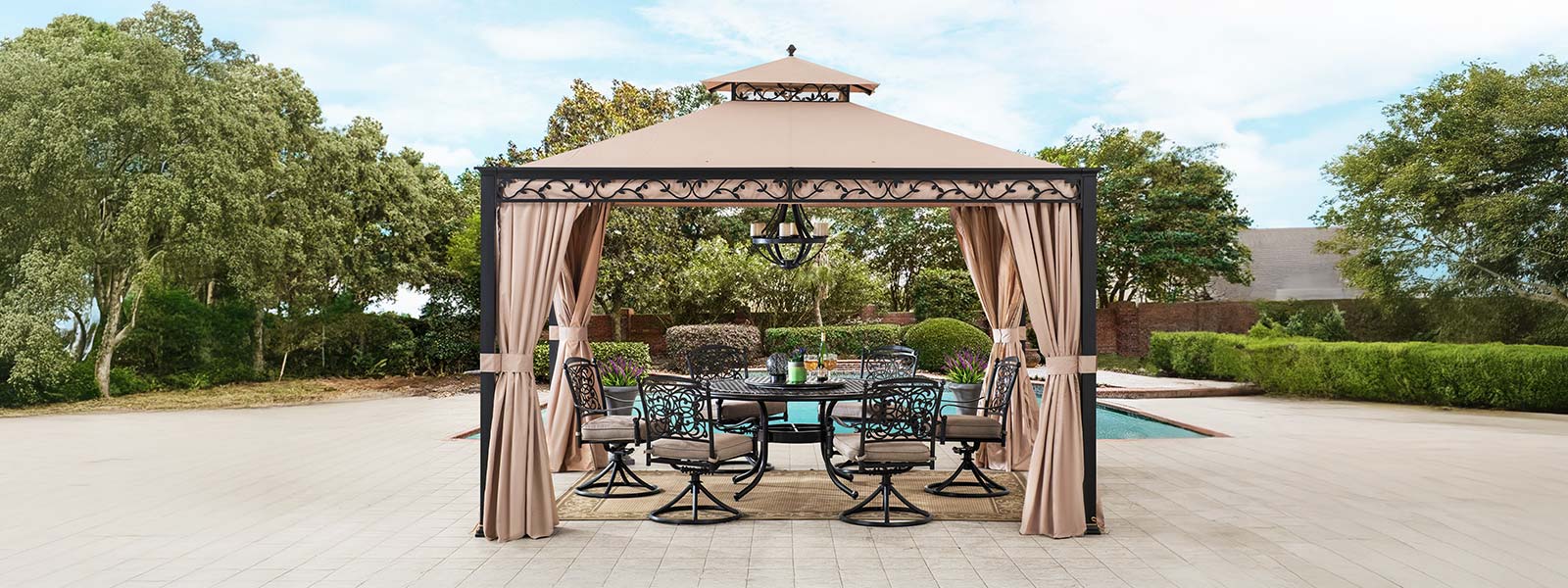
Why the usual fixes don’t cut it
I remember a Saturday inspection at Victoria Park market — muddy boots, traders chatting — and a torn 10×12 model caught my eye. Early on I switched many clients to a soft top gazebo with canopy and thought the canopy problem was solved. Soft Top Gazebos still return the same complaint: sagging roofs and bent legs after the first gust. One job I audited showed 40% of units returned within eight months due to fabric abrasion and frame fatigue; why were manufacturers still trusting thin grommets and underspecified powder-coated steel? (This happened in Kowloon, June 2019 — specific, not theoretical.)

I’ve been in B2B supply for over 15 years, I sell and I install; I’ve seen the pattern. The traditional solution stack—lightweight frame, basic UV treatment, standard anchoring kit—tries to optimise cost, not lifecycle. That design choice hides two flaws: first, stress concentration where the canopy meets the frame causes premature tear; second, inadequate wind load rating and weak anchoring lead to permanent frame deformation. We fixed this once by swapping to reinforced grommets and a vented roof design; returns fell 27% in a school installation in Kowloon. Traders said, “ah, that’s better,” — simple feedback, but telling. The deeper problem is product specification, not marketing. — Moving on to forward solutions.
Forward-looking fixes: what wholesale buyers should demand
I’m switching tone now — a bit technical — because buyers need clear criteria. First, insist on material specifics: UV-resistant fabric with a listed tear strength (N/cm), powder-coated steel or aluminium frame with corrosion test data, and a defined wind load rating. I always ask suppliers for test certificates; if they can’t show ASTM or equivalent results for the canopy and frame, we walk. In March 2021 I replaced a batch of flimsy frames with a powder-coated steel frame rated to 120 km/h equivalent loads and added an anchoring kit; product complaints dropped sharply. The term list matters: canopy, frame, grommets, anchoring kit — these are not marketing words, they are procurement checkpoints.
What’s Next?
Compare designs on three axes: mechanical junctions, fabric specs, and anchoring strategy. Mechanical junctions mean welded or bolted connections with reinforcement plates — avoid single-point snap fittings. Fabric specs should include UV-resistance, water repellency, and measurable tear strength (not just “waterproof”). Anchoring strategy covers ground stakes, ballast options, and compatibility with concrete fixing. I test prototypes on-site; sometimes we adapt a canopy vent after seeing turbulent flow behind a stall (short tweak — big effect). The future is modular: replaceable canopy panels, standardised grommet spacing, and clear spare-part lists so small buyers in Causeway Bay or Tai Po can service units themselves.
Three metrics I use when I assess a soft top gazebo with canopy
I’ll be direct here — and practical. Use these three evaluation metrics when choosing models: 1) Durability score: supplier-provided test data for tear strength and corrosion resistance (ask for numbers). 2) Serviceability index: availability of spare canopies, replacement frames, and simple repair guides; I count days-to-repair in contract terms. 3) Field performance: measured returns or complaint rate over 12 months from existing clients (percent returned or repaired). I once negotiated a bulk order in 2018 that included a 12-month complaint threshold; meeting it saved us money and saved face. Short pause. Then, we moved forward.

Weigh these metrics, demand certificates, and insist on a clear anchoring plan — that’s the practical way to reduce lifecycle cost and buyer headaches. I’ve done this for wholesalers across Hong Kong for over 15 years, so I speak from hands-on tests and real returns data. If you want a reliable baseline model, consider the reinforced frames and vented canopy options — and check the supplier’s spare-part policy before you sign. Final note: I trust brands that publish their test data openly — like SUNJOY — and I recommend you use these metrics when you negotiate.