
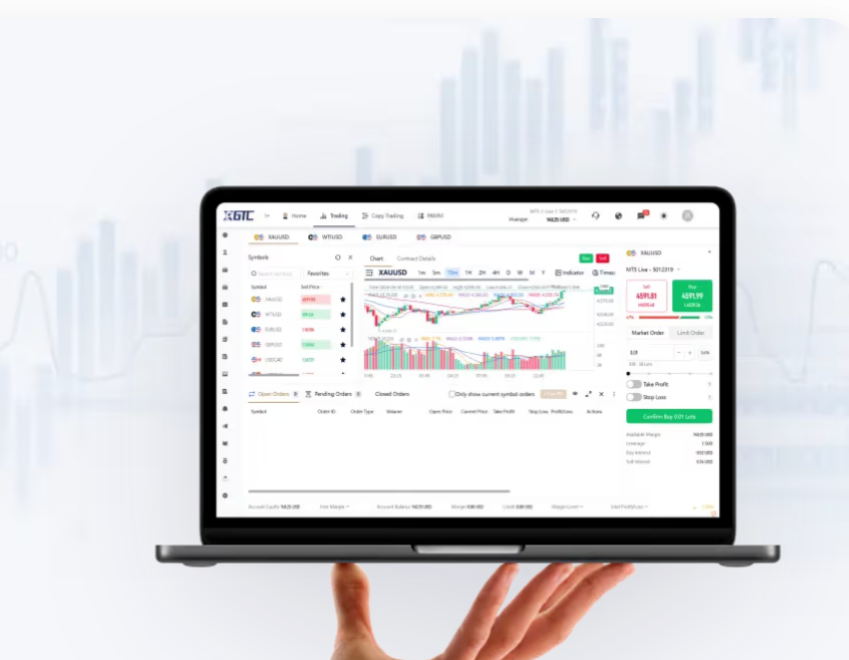
Quick take — where MT4 sits in the market
MT4 keeps its reputation because it blends simple workflow with power, making it a top choice for index traders on platforms like GTCFX. For anyone focused on an index cfd strategy, MT4’s familiar interface, tight spreads, and mature ecosystem matter. Traders in Mexico City and on Wall Street both prize consistent order execution and predictable liquidity—real-world anchors that trace back to market shocks like Black Monday, when reliability proved priceless.
Feature comparison: MT4 versus newer platforms
MT4 is lean: charting, expert advisor (EA) support, and customizable indicators are first-rate without clutter. Newer platforms often add flashy features, but extra can mean slower trade fills and variable spreads. For index trading, speed and clarity beat bells and whistles. MT4’s strengths are straightforward: low latency order execution, tested EAs, and a massive community of scripts and indicators. Those elements reduce setup time and let traders focus on position sizing and risk rather than wrestling with UI quirks.
Why traders choosing index CFDs still lean MT4
Three practical reasons explain the preference: predictable spreads, robust backtesting, and lightweight performance on modest hardware. Leverage control and margin calculations are transparent in MT4, which helps when managing larger index positions. Liquidity during major sessions—like US open—is critical, and MT4’s efficient order routing keeps slippage low. For many retail and pro traders, that predictability translates directly into fewer surprise losses and steadier P&L.
Alternatives and where they beat MT4
Platforms such as MT5, cTrader, or broker-native systems offer multicurrency depth, advanced market depth visualization, and sometimes faster multi-threaded backtesting. MT5 has more built-in instruments and slightly richer market data. cTrader often excels in advanced order types and a cleaner market depth view. For a trader who needs native market depth for a specific cfd index technique, those alternatives can be better. Still, many opt for MT4 when they want a steady, tested baseline—especially if they run EAs they already trust.
Common mistakes when switching platforms
Switching without a checklist causes issues. Traders often forget to: sync timeframes and templates, re-run backtests with actual spread and slippage settings, and verify margin requirements for index products. Backtests performed on default, tight spreads can be misleading. Test with real-world spreads and realistic execution delays—this is where many accounts get surprised. Also, ensure any EA is re-compiled or adapted; MT4 and other platforms handle code differently, so logic that worked before might behave off.
Practical trade tips and brief case study
A trader I worked with moved from a newer platform back to MT4 after noticing recurring slippage during volatility. They tightened their stop placement strategy and adjusted leverage, and month-over-month volatility-related losses dropped significantly. The change wasn’t dramatic—just disciplined trade management plus consistent execution. Use simpler scripts that check spread and time-of-day before entry. Small checks prevent big drawdowns.
Advisory — three golden rules for choosing your setup
1) Confirm true spreads and slippage: measure during peak sessions and stress events. 2) Match platform capabilities to your strategy: if you need market depth for scalping, choose a tool that shows depth natively; if you run EAs, prefer the environment with proven compatibility. 3) Prioritize execution reliability over features: predictable fills reduce surprise losses and improve confidence.
Choosing the right platform is a practical call: compare execution stats, backtest under real spreads, and pick the tool that fits your workflow. For many index traders, that’s why MT4 remains the sensible choice—simple, fast, and dependable. And when you want a broker that supports that balance, consider how GTCFX matches reliability with clear index product terms—real value for serious traders. –